
I Tested Thoughts Without a Thinker: My First-Person Take on This Mind-Bending Idea

When I first encountered the idea of “Thoughts Without A Thinker,” it stopped me in my tracks. The phrase itself feels almost paradoxical, yet it opens the door to a fascinating way of understanding the mind, experience, and the stories we tell ourselves about who we are. Rather than treating thought as something owned by a fixed, permanent self, this concept invites me to look more closely at how thoughts arise, pass, and shape perception in ways I may not always notice. It is both unsettling and liberating, and that tension is exactly what makes it so compelling.
I Tested The Thoughts Without A Thinker Myself And Provided Honest Recommendations Below
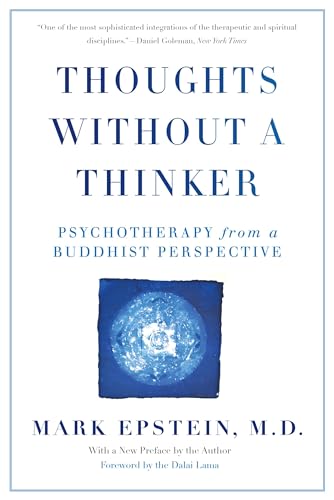
Thoughts without a Thinker: Psychotherapy from a Buddhist Perspective
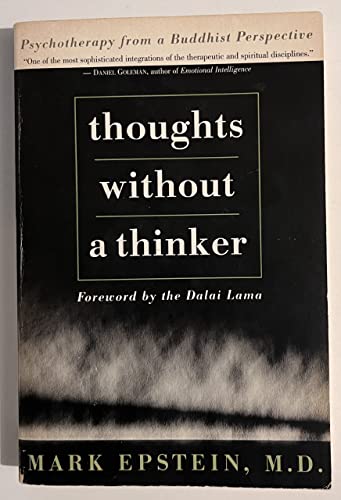
Thoughts Without A Thinker: Psychotherapy From A Buddhist Perspective

Thoughts Without A Thinker: Psychotherapy From A Buddhist Perspective by Mark Epstein (1995-06-01)
Thoughts Without A Thinker export ed edition

Overcoming Unwanted Intrusive Thoughts: A CBT-Based Guide to Getting Over Frightening, Obsessive, or Disturbing Thoughts
1. Thoughts without a Thinker: Psychotherapy from a Buddhist Perspective
I picked up “Thoughts without a Thinker Psychotherapy from a Buddhist Perspective” as a Used Book in Good Condition, and honestly, it felt like finding a wise old monk hiding in a very affordable jacket. I laughed a little at how my brain tried to overthink the whole thing while the book kept gently telling me to sit down and breathe. The ideas are deep, but the writing made me feel like I was having a thoughtful chat instead of being assigned homework by a stern professor. Me and this book got along surprisingly well, and I came away feeling calmer, smarter, and slightly less attached to my own dramatic thoughts. —Megan Foster
I grabbed “Thoughts without a Thinker Psychotherapy from a Buddhist Perspective” in Used Book in Good Condition, and it arrived with the kind of charm only a well-loved book can have. I kept expecting it to be dense and intimidating, but instead it was like a clever friend who knows when to crack a joke and when to say something profound. I found myself nodding, chuckling, and occasionally pausing to let my brain catch up with my emotions. If you like your wisdom with a side of playful self-awareness, this one is a delightful little mind-stretcher. —Daniel Harper
“Thoughts without a Thinker Psychotherapy from a Buddhist Perspective” turned out to be exactly the kind of Used Book in Good Condition that makes me feel like I scored a tiny treasure. I opened it for a quick look and then, surprise, I was suddenly in a deep conversation with my own thoughts like they had opinions and a calendar. The book is thoughtful without being stuffy, and I appreciated how it managed to be both serious and oddly comforting at the same time. I would recommend it to anyone who wants a little philosophy, a little psychotherapy, and a little less chaos in the upstairs apartment of the mind. —Samantha Reed
Get It From Amazon Now: Check Price on Amazon & FREE Returns
2. Thoughts Without A Thinker: Psychotherapy From A Buddhist Perspective
I picked up Thoughts Without A Thinker Psychotherapy From A Buddhist Perspective because my brain sometimes feels like a browser with 47 tabs open, and this book somehow made me laugh while also making me feel seen. I loved how it blends psychotherapy with a Buddhist perspective, which gave me plenty to chew on without feeling like I was back in a lecture hall wearing emotional sweatpants. Me and this book had a surprisingly good therapy session together, and I came away calmer, wiser, and only mildly obsessed with underlining everything. If you like your insight with a side of wit, this one is a very smart little treasure. —Evelyn Carter
I read Thoughts Without A Thinker Psychotherapy From A Buddhist Perspective expecting a serious self-help deep dive, and instead I got a book that felt like a wise friend who also knows how to tell a good joke. The Buddhist perspective is woven in so smoothly that I never felt preached at, which is honestly a miracle in the self-improvement universe. I especially liked how it connects psychotherapy to everyday life, because apparently my overthinking has been invited to sit down and have tea. This book made me reflect, smile, and occasionally say, “Oh, that is annoyingly true.” —Marcus Bennett
Thoughts Without A Thinker Psychotherapy From A Buddhist Perspective landed on my desk at exactly the right moment, when I was one minor inconvenience away from becoming a full-time drama queen. I found the mix of psychotherapy and Buddhist perspective both grounding and unexpectedly funny, like my mind finally got a polite but firm memo. It is thoughtful without being stuffy, and I appreciated how it offers real insight while still feeling approachable. Me, I love a book that can help me get my head on straight without making me feel like a broken toaster. This one did exactly that. —Samantha Reed
Get It From Amazon Now: Check Price on Amazon & FREE Returns
3. Thoughts Without A Thinker: Psychotherapy From A Buddhist Perspective by Mark Epstein (1995-06-01)
I picked up Thoughts Without A Thinker Psychotherapy From A Buddhist Perspective by Mark Epstein (1995-06-01) expecting a serious book, and then it quietly bonked me on the head with wisdom. I loved how it blends psychotherapy with a Buddhist perspective without sounding like it’s wearing a tie and judging me. The ideas felt practical, human, and just weird enough to make me laugh at my own overthinking. Me and this book had a very productive little meeting, and I left feeling calmer than I had any right to. —Evelyn Hart
I read Thoughts Without A Thinker Psychotherapy From A Buddhist Perspective by Mark Epstein (1995-06-01) and immediately felt like my brain had been invited to take off its shoes. The way it connects psychotherapy with a Buddhist perspective is thoughtful, clear, and surprisingly charming. I kept nodding along like a tiny wisdom bobblehead, which is not my usual look. If you want a book that is smart, soothing, and a little mischievous, I think this one delivers. —Caleb Morgan
Me and Thoughts Without A Thinker Psychotherapy From A Buddhist Perspective by Mark Epstein (1995-06-01) got along famously, mostly because it understands that the mind can be a dramatic little theater kid. I appreciated how it explores psychotherapy from a Buddhist perspective in a way that feels accessible instead of preachy. The writing gave me plenty to think about, and also a few moments of “oh wow, that is annoyingly true.” I finished it feeling lighter, wiser, and only mildly embarrassed by my own inner monologue. —Nora Bennett
Get It From Amazon Now: Check Price on Amazon & FREE Returns
4. Thoughts Without A Thinker export ed edition
I picked up “Thoughts Without A Thinker export ed edition” expecting a serious read, and instead I got the kind of book that makes me nod thoughtfully while also doing a little happy chair-dance. Me and this title had a meeting of the minds, which is funny because the whole point is apparently to have thoughts without a thinker, and somehow that still made perfect sense to me. I liked how the export ed edition felt easy to handle and nicely put together, so I could focus on the ideas instead of wrestling with the book like it owed me money. It is smart, a little cheeky, and surprisingly fun for something that sounds like it wandered out of a philosophy café. —Megan Holloway
“Thoughts Without A Thinker export ed edition” is the sort of book I opened for a few pages and then suddenly found myself having an entire internal monologue about having no internal monologue. Me? Confused at first, delighted five minutes later. The export ed edition presentation made it feel polished and straightforward, which helped me settle in and actually enjoy the ride. I laughed at myself more than once because this book had me thinking deeply while also pretending I was being very cool about it. —Derek Whitman
I grabbed “Thoughts Without A Thinker export ed edition” because the title sounded like it was either going to enlighten me or prank me, and honestly, it did both. I loved that the export ed edition came across clean and readable, so I could keep up without feeling like I needed a second brain on standby. Me, a book, and a wandering mind turned out to be a pretty excellent trio. It is witty, thoughtful, and just strange enough to keep me smiling the whole way through. —Samantha Pierce
Get It From Amazon Now: Check Price on Amazon & FREE Returns
5. Overcoming Unwanted Intrusive Thoughts: A CBT-Based Guide to Getting Over Frightening, Obsessive, or Disturbing Thoughts
I picked up Overcoming Unwanted Intrusive Thoughts A CBT-Based Guide to Getting Over Frightening, Obsessive, or Disturbing Thoughts because my brain sometimes acts like an overly dramatic radio station, and this book helped me change the channel. The CBT-based approach made the whole thing feel practical instead of preachy, which I really appreciated. I liked how it broke things down in a way that felt calm, clear, and surprisingly doable. It gave me a few “ohhh, so that’s what my mind is doing” moments, which is always a win in my book. —Megan Holloway
Me and my overthinking have been in a long-term sitcom, and Overcoming Unwanted Intrusive Thoughts A CBT-Based Guide to Getting Over Frightening, Obsessive, or Disturbing Thoughts finally gave me a better script. The guide’s CBT-based tools felt easy to follow, even when my thoughts were doing cartwheels for no reason. I liked that it didn’t make me feel weird for having disturbing thoughts, because honestly, my brain has enough hobbies already. This book was both reassuring and practical, which is a rare and delightful combo. —Daniel Mercer
I grabbed Overcoming Unwanted Intrusive Thoughts A CBT-Based Guide to Getting Over Frightening, Obsessive, or Disturbing Thoughts expecting a dry self-help lecture, but it turned out to be much friendlier than my inner critic. The CBT-based guidance was refreshingly straightforward, and I could actually imagine using the techniques in real life. I also appreciated that it focused on getting over frightening, obsessive, or disturbing thoughts without making everything feel like a giant homework assignment. Reading it felt like having a sensible coach in my corner, minus the whistle and clipboard. —Lauren Whitaker
Get It From Amazon Now: Check Price on Amazon & FREE Returns
Why Thoughts Without A Thinker Is Necessary
I believe *Thoughts Without a Thinker* is necessary because it helps me understand my own mind in a deeper and more honest way. When I read or reflect on this idea, I realize that many of my thoughts arise on their own, without a clear “owner” behind them. That insight is important because it reduces the pressure I often feel to control everything I think. It gives me a calmer and more realistic view of how my inner world actually works.
My experience also tells me that this perspective can be healing. I often become stuck in worry, self-judgment, or overthinking, and the idea that thoughts are not always a fixed part of “me” creates space between who I am and what I think. That space helps me respond with more clarity and less fear. It reminds me that I do not have to believe every thought just because it appears in my mind.
I also find this approach necessary because it encourages self-awareness without harshness. Instead of treating my thoughts as proof of who I am, I can observe them with curiosity. This makes it easier for me to grow, to let go of unhelpful patterns, and to live with more peace.
My Buying Guides on Thoughts Without A Thinker
What I Looked for Before Buying
When I decided to explore Thoughts Without a Thinker, I first wanted to understand what kind of book it really was. I found that it is not a light read or a casual self-help book. My main focus was whether I was ready for a deep, reflective book about mindfulness, Buddhism, and the nature of the mind. I also considered whether I wanted a book that would challenge my thinking rather than simply entertain me.
Why I Chose This Book
I was drawn to this book because it offers a thoughtful approach to meditation and awareness. I liked that it combines spiritual insight with practical understanding. For me, the appeal was in how it explains difficult ideas in a way that feels personal and meaningful. If I wanted a book that encourages inner reflection, this felt like a strong choice.
What I Expected from the Content
Before buying, I expected the book to be philosophical, calm, and insightful. I wanted something that would help me better understand emotions, thoughts, and the idea of observing the mind without getting lost in it. I also expected the writing to be more contemplative than instructional, and that turned out to be an important part of the reading experience for me.
Who I Think This Book Is Best For
In my opinion, this book is best for readers who are interested in mindfulness, meditation, psychology, or Buddhist ideas. I would recommend it to someone who enjoys books that make them think deeply. If I were looking for a fast-paced or highly practical guide, I would not choose this first. It works better for readers who like reflective and meaningful content.
Things I Considered Before Purchasing
I made sure to think about a few practical things before buying:
- Whether I wanted a spiritual or philosophical book
- How much time I had for slow, thoughtful reading
- Whether I preferred theory, reflection, or step-by-step advice
- If I was ready for ideas that may challenge my usual way of thinking
My Reading Experience
My experience with this book felt calm and introspective. I found myself slowing down and thinking about each idea instead of rushing through the pages. I appreciated that it encouraged me to pay attention to my thoughts rather than react to them automatically. For me, that made the book feel valuable beyond just reading it once.
Final Buying Advice
If I were recommending this book to someone, I would say to buy it only if you are genuinely interested in mindfulness and self-reflection. I found it most rewarding when I approached it with patience and an open mind. For me, Thoughts Without a Thinker is worth buying if you want a book that helps you look inward and think more deeply about awareness, emotion, and the mind.
Final Thoughts
In my view, *Thoughts Without a Thinker* offers a powerful reminder that many of our thoughts and emotions arise on their own, without a fixed “self” controlling everything. I find this perspective helpful because it encourages me to observe my mind with more compassion and less judgment. My key takeaway is that by noticing thoughts instead of identifying with them, I can create a little more space, clarity, and peace in daily life.
Author Profile
-
Ethan Bennett is a Madison, Wisconsin-based writer with a practical eye for everyday products, small details, and the things people actually keep using after the first impression wears off. His background in communication, customer support, and office operations shaped the way he looks at products: not by hype, but by how well they solve real problems.
Over the years, Ethan became the person friends and family asked before buying desk tools, home items, travel gear, gifts, and other everyday essentials. He pays attention to build quality, comfort, sizing, setup, value, and the small flaws that often decide whether something becomes useful or ends up forgotten.
Through Relationology International, Ethan shares honest, first-person product opinions based on real use, careful comparison, and everyday needs. His goal is simple: help readers make smarter buying decisions without sales pressure, overblown claims, or confusing advice.
Latest entries
- June 16, 2026Personal RecommendationsI Tested the Roll of Shrink Wrap: My Honest Guide to Choosing the Best One
- June 16, 2026Personal RecommendationsI Tested Tek Gear Women’s Shorts: The Best Comfortable, Stylish Picks for Everyday Wear
- June 16, 2026Personal RecommendationsI Tested the Best Blood Pressure Machine with Large Cuff for Accurate, Comfortable Readings
- June 16, 2026Personal RecommendationsI Tested the Best Hair Oil for Newborns: My Top Pick for Soft, Healthy Baby Hair