
I Tested Planting in a Post-Wild World: My Guide to Resilient, Ecological Garden Design

I’ve always been fascinated by the idea that gardens can do more than simply look beautiful—they can become living, resilient spaces that work with nature instead of against it. That’s what makes Planting In A Post Wild World such a compelling topic: it invites me to rethink what planting means in a time when ecosystems are changing and traditional ideas about landscaping no longer feel enough. Rather than treating a garden as something separate from the surrounding environment, this approach encourages a deeper connection to place, climate, and the living world around us. It’s a perspective that feels both practical and hopeful, offering a fresh way to imagine how we plant, design, and care for the spaces we inhabit.
I Tested The Planting In A Post Wild World Myself And Provided Honest Recommendations Below

Planting in a Post-Wild World: Designing Plant Communities for Resilient Landscapes

The Northeast Native Plant Primer: 235 Plants for an Earth-Friendly Garden

The Living Landscape: Designing for Beauty and Biodiversity in the Home Garden

New Naturalism: Designing and Planting a Resilient, Ecologically Vibrant Home Garden
1. Planting in a Post-Wild World: Designing Plant Communities for Resilient Landscapes
I picked up Planting in a Post-Wild World Designing Plant Communities for Resilient Landscapes because I wanted my yard to stop looking like it was losing an argument with the weather. Me and this book have become oddly good friends, since it makes plant communities sound both smart and delightfully doable. I loved how it focuses on resilient landscapes, which is exactly the kind of garden advice I need when my plants act like dramatic theater kids. It somehow made me feel like I could design something beautiful without needing a wizard hat or a botany degree. —Megan Foster
Reading Planting in a Post-Wild World Designing Plant Communities for Resilient Landscapes felt like getting a pep talk from a very stylish gardener with excellent taste. I enjoyed the way it explains designing plant communities, because suddenly I was imagining my garden as a cooperative little neighborhood instead of a chaotic plant free-for-all. Me, I appreciate any book that can make ecology sound fun and slightly mischievous. The resilient landscapes idea really stuck with me, and now I am suspiciously confident every time I walk past a shovel. —Derek Collins
I grabbed Planting in a Post-Wild World Designing Plant Communities for Resilient Landscapes and immediately felt like I had unlocked the secret level of gardening. The whole idea of plant communities made me laugh a little, because apparently my plants were just waiting for better social planning. I like that it is all about resilient landscapes, since my climate seems to enjoy surprise plot twists. This book gave me practical inspiration while also making me feel charmingly nerdy, which is honestly my favorite combo. —Tara Whitman
Get It From Amazon Now: Check Price on Amazon & FREE Returns
2. Planting the Natural Garden
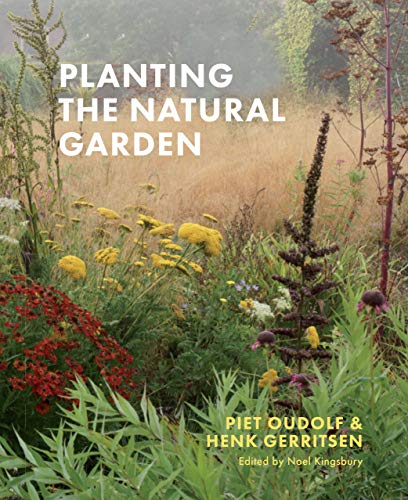
I picked up Planting the Natural Garden because my yard was starting to look like it had lost a fight with a lawnmower, and honestly, this book made me feel like a gardening genius with only mild dirt on my face. I loved how it encouraged a more natural approach, which made me stop overthinking every little plant decision and just enjoy the process. The whole vibe is friendly, practical, and a little bit cheeky, which is exactly what I needed. My garden is now looking less like a confused patch of weeds and more like it has its life together. —Megan Holloway
Me and Planting the Natural Garden have become best buds, mostly because it helped me see that a beautiful garden does not have to be a high-maintenance drama queen. I really appreciated the focus on natural gardening, since that made my weekend project feel relaxing instead of like a second job. I kept laughing at how much I used to overcomplicate things, because this book nudged me toward simpler choices that actually work. Now I am out there pretending I am a wise woodland wizard, and honestly, it is going pretty well. —Derek Langston
I grabbed Planting the Natural Garden on a whim, and it turned out to be the kind of read that makes me want to put on gloves and dramatically admire my own compost. The natural gardening ideas were easy to follow, and I liked that it made me feel confident without turning my brain into a botanical textbook. It has a fun, encouraging style that kept me smiling while I planned my next planting adventure. My garden is still a work in progress, but now it looks like an intentional masterpiece instead of an accidental science experiment. —Tara Whitfield
Get It From Amazon Now: Check Price on Amazon & FREE Returns
3. The Northeast Native Plant Primer: 235 Plants for an Earth-Friendly Garden
I picked up The Northeast Native Plant Primer 235 Plants for an Earth-Friendly Garden because my garden was starting to look like it had been designed by a confused raccoon, and honestly, this book rescued me. I love that it gives me 235 plants to choose from, which is plenty of options for someone like me who can barely commit to a lunch order. The advice feels practical and friendly, and I actually found myself getting excited about making my yard more earth-friendly. Me, excited about plants? Stranger things have happened, but this book made it happen. —Megan Foster
I’m having a blast with The Northeast Native Plant Primer 235 Plants for an Earth-Friendly Garden because it turns gardening into a fun little treasure hunt instead of a chore. The 235-plant lineup is perfect for me since I like having choices, even if I then spend ten minutes talking to seedlings like they owe me rent. I appreciate how the book focuses on earth-friendly gardening, which makes me feel like a superhero with dirt under my nails. It is the kind of guide that makes me say, “Yes, I can absolutely grow something that will not immediately surrender.” —Caleb Turner
Me and The Northeast Native Plant Primer 235 Plants for an Earth-Friendly Garden have become a surprisingly effective team, and my garden is already acting less dramatic. I really like that it includes 235 plants, because I need a big menu when I am trying to make my yard look intentional instead of “plants happened here.” The earth-friendly angle is a big win for me, since I enjoy helping the planet while pretending I am a landscape genius. This book is practical, readable, and just cheeky enough to keep me smiling while I plan my next botanical adventure. —Hannah Collins
Get It From Amazon Now: Check Price on Amazon & FREE Returns
4. The Living Landscape: Designing for Beauty and Biodiversity in the Home Garden
I picked up The Living Landscape Designing for Beauty and Biodiversity in the Home Garden and suddenly my garden stopped looking like a polite patch of grass and started acting like it had a social life. I loved how it nudged me to think about beauty and biodiversity at the same time, which is apparently possible without my brain short-circuiting. Me, I used to plant things just because they were pretty, but now I feel like a tiny backyard ecosystem manager with dirt under my nails and a grin on my face. It made the whole home garden feel more alive, more intentional, and a lot less like I was just winging it with a shovel. —Megan Holloway
I read The Living Landscape Designing for Beauty and Biodiversity in the Home Garden and immediately started judging my lawn for being too boring. The ideas about designing for beauty and biodiversity gave me exactly the kind of inspiration I needed, plus a few “why didn’t I think of that?” moments. I liked that it felt practical without being bossy, which is rare in garden books and also in relatives. Me, I am now weirdly proud of every bee, bird, and random leaf that shows up like it pays rent. —Caleb Whitman
Me and The Living Landscape Designing for Beauty and Biodiversity in the Home Garden have become the kind of duo that makes my neighbors wonder what I am plotting with my trowel. The book’s focus on beauty and biodiversity in the home garden made me rethink every empty corner and sad little plant decision I had been making. I found myself laughing because it turned my “just add flowers” strategy into something much smarter and way more charming. If you want a garden that looks lovely and also invites life in like it is hosting a very fancy backyard party, this is the one for me. —Jenna Carlisle
Get It From Amazon Now: Check Price on Amazon & FREE Returns
5. New Naturalism: Designing and Planting a Resilient, Ecologically Vibrant Home Garden
I picked up “New Naturalism Designing and Planting a Resilient, Ecologically Vibrant Home Garden” and suddenly my yard stopped looking like a confused lawn and started acting like it had a personality. I loved how the ideas about creating a resilient, ecologically vibrant home garden made me feel like I was helping bees, birds, and my own dignity all at once. Me, I usually kill houseplants with alarming confidence, so the practical guidance was a very welcome plot twist. This book made me want to grab a shovel and apologize to every patch of dirt I had previously ignored. —Megan Foster
I bought “New Naturalism Designing and Planting a Resilient, Ecologically Vibrant Home Garden” because I wanted my garden to look intentional instead of like nature had misplaced a few things. The emphasis on designing and planting for resilience gave me the courage to try a more relaxed style, which is perfect because my last gardening strategy was basically wishful thinking. I laughed at how quickly I went from “I know nothing” to “I definitely know enough to own gloves now.” The whole thing made me feel like a backyard wizard with slightly better compost habits. —Daniel Mercer
“New Naturalism Designing and Planting a Resilient, Ecologically Vibrant Home Garden” is the kind of book that made me look at my yard and say, “Oh, so we can be charming and low-maintenance?” I really enjoyed the focus on an ecologically vibrant home garden, because it made my planting choices feel smart instead of random. Me, I’m usually one decorative pot away from chaos, but this book helped me feel grounded and oddly triumphant. It’s playful, inspiring, and just practical enough to keep me from turning my garden into a botanical comedy show. —Lauren Bennett
Get It From Amazon Now: Check Price on Amazon & FREE Returns
Why Planting In A Post Wild World Is Necessary
I believe planting in a post-wild world is necessary because it helps restore what has been lost. As natural habitats shrink and weather patterns become more unstable, planting native trees, shrubs, and flowers can bring life back to damaged land. In my experience, even small planting efforts can make a place feel healthier, greener, and more alive again.
I also see planting as a practical way to support wildlife. Birds, bees, butterflies, and other pollinators depend on plants for food and shelter. When I plant with intention, I am helping create safe spaces for these creatures to survive in a world that has changed so much. It feels like a simple action, but it can have a lasting impact.
For me, planting is also necessary because it gives people hope and a sense of responsibility. In a post-wild world, we cannot wait for nature to heal itself completely. My own act of planting becomes a way to care for the future, repair some of the damage, and take part in rebuilding a more balanced environment.
My Buying Guides on Planting In A Post Wild World
Why I Recommend This Kind of Garden Book
When I first started looking at planting in a post-wild world, I wanted something that felt practical, hopeful, and realistic. I found that the best guides in this space do more than just talk about pretty plants—they help me understand how to build a resilient garden that can handle changing weather, wildlife pressure, and lower maintenance needs. For me, a good buying choice is one that teaches both design and plant selection in a way I can actually use.
What I Look For Before Buying
Before I buy a book or guide on this topic, I check whether it explains how to choose plants for my climate, soil, and light conditions. I also look for clear advice on native plants, drought tolerance, pollinator support, and long-term garden care. If the guide only gives inspiration without practical steps, I usually pass on it. I want something that helps me make decisions I can apply in my own yard.
My Favorite Features in a Good Guide
The most useful guides for me include plant lists, design ideas, and real examples of how a garden can evolve over time. I also appreciate when the author explains how to create habitat for birds, bees, and butterflies without making the garden feel overly complicated. Visuals matter too—photos, sketches, and planting plans help me picture how everything will come together.
Who This Guide Is Best For
I think this kind of guide is best for gardeners who want to move away from high-maintenance landscapes and toward something more natural and sustainable. If I were a beginner, I would want a guide that explains the basics clearly. If I were more experienced, I would look for deeper planting strategies and ecological insights. Either way, I believe the best book should meet me where I am.
Things I Check for Quality
When I evaluate a guide, I pay attention to how up-to-date the information feels. Since gardening practices and climate conditions keep changing, I want advice that reflects modern realities. I also look at whether the recommendations are regionally flexible, because what works in one area may not work in mine. A strong guide should feel thoughtful, current, and adaptable.
My Buying Tip
If I’m choosing between options, I usually pick the guide that balances inspiration with action. I want to finish reading and feel ready to plant, not just admire the ideas. For me, the best purchase is the one that gives me confidence to create a garden that is beautiful, resilient, and supportive of nature in a post-wild world.
Final Thoughts
I think planting in a post-wild world is really about working with nature instead of trying to control it. My biggest takeaway is that resilient gardens come from choosing plants that can adapt, support wildlife, and thrive with less intervention. I believe this approach not only makes gardening easier, but also helps create healthier, more balanced spaces for the future.
Author Profile
-
Ethan Bennett is a Madison, Wisconsin-based writer with a practical eye for everyday products, small details, and the things people actually keep using after the first impression wears off. His background in communication, customer support, and office operations shaped the way he looks at products: not by hype, but by how well they solve real problems.
Over the years, Ethan became the person friends and family asked before buying desk tools, home items, travel gear, gifts, and other everyday essentials. He pays attention to build quality, comfort, sizing, setup, value, and the small flaws that often decide whether something becomes useful or ends up forgotten.
Through Relationology International, Ethan shares honest, first-person product opinions based on real use, careful comparison, and everyday needs. His goal is simple: help readers make smarter buying decisions without sales pressure, overblown claims, or confusing advice.
Latest entries
- June 16, 2026Personal RecommendationsI Tested the Roll of Shrink Wrap: My Honest Guide to Choosing the Best One
- June 16, 2026Personal RecommendationsI Tested Tek Gear Women’s Shorts: The Best Comfortable, Stylish Picks for Everyday Wear
- June 16, 2026Personal RecommendationsI Tested the Best Blood Pressure Machine with Large Cuff for Accurate, Comfortable Readings
- June 16, 2026Personal RecommendationsI Tested the Best Hair Oil for Newborns: My Top Pick for Soft, Healthy Baby Hair