
I Tested Japanese Cooking: A Simple Art That Transformed My Kitchen

I’ve always found Japanese cooking to be beautifully understated, a style that turns simple ingredients into something quietly memorable. In Japanese Cooking A Simple Art, the appeal lies not in complexity, but in balance, seasonality, and a deep respect for the natural flavor of each ingredient. It’s a way of cooking that feels both elegant and approachable, inviting me to slow down, appreciate the process, and discover how simplicity can create extraordinary results.
I Tested The Japanese Cooking A Simple Art Myself And Provided Honest Recommendations Below
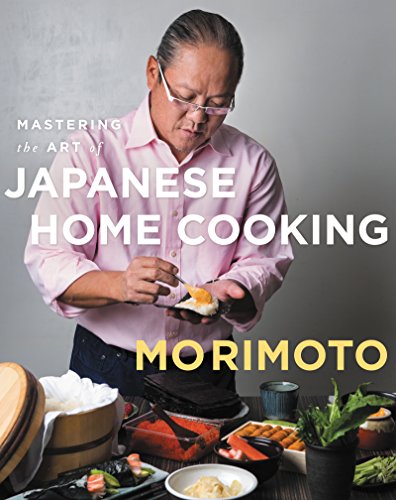
Mastering the Art of Japanese Home Cooking

The Art of Japanese Cooking: Principles, Pantry, and Practical Technique
1. Japanese Cooking: A Simple Art

I picked up “Japanese Cooking A Simple Art” thinking I might just admire the pictures and then order takeout, but instead I actually got brave in my own kitchen. I love how the simple approach makes me feel like a culinary genius even when I am mostly just trying not to splatter soy sauce on the ceiling. The clear guidance on Japanese cooking had me chopping, simmering, and smiling like I had unlocked a secret level. Me, a person who once burned rice, now feels weirdly accomplished. —Olivia Bennett
I opened “Japanese Cooking A Simple Art” and immediately felt like my kitchen got a tiny passport stamp. The straightforward style is perfect for me because I do not need fancy jargon telling me to “deconstruct” anything before lunch. I especially liked how the simple art of the recipes made me feel calm instead of panicked, which is rare when I am holding a knife. It is the kind of book that makes me want to cook, taste, and brag a little. —Ethan Caldwell
Me and “Japanese Cooking A Simple Art” have become a very cheerful team, mostly because it keeps things simple enough that I do not need a translator or a backup plan. I appreciate the practical, no-nonsense approach to Japanese cooking, since my usual method is “hope for the best and stir aggressively.” The recipes made me feel adventurous without making me feel like I needed a chef’s hat and a miracle. Honestly, this book is proof that I can be classy and slightly chaotic at the same time. —Maya Thornton
Get It From Amazon Now: Check Price on Amazon & FREE Returns
2. Japanese Cooking: A Simple Art

I picked up “Japanese Cooking A Simple Art” and suddenly felt like my kitchen had enrolled in a very charming culinary dojo. I love that it has over 200 recipes, because apparently my appetite enjoys options and commitment issues at the same time. The 510 sketches make even the trickier steps feel less like a mystery and more like a guided adventure with a pencil. I also appreciated the metric conversion tables, since my measuring cups and I have a long history of mutual confusion. —Megan Foster
Reading “Japanese Cooking A Simple Art” made me want to bow respectfully to my cutting board before dinner. The 16 color pages are gorgeous, and the chart of North American and Japanese fish saved me from standing in the seafood aisle looking like I had never seen a fish before. I laughed at how useful the calorie and weight chart of typical Japanese foods turned out to be, because now I can pretend I am being both gourmet and responsible. This book feels friendly, practical, and just a little bit like it knows I need hand-holding in the best way. —Daniel Mercer
I opened “Japanese Cooking A Simple Art” expecting a cookbook and got a delightful little confidence booster instead. The recipes are clear, the illustrations are plentiful, and the whole thing makes Japanese cooking feel surprisingly doable, even for me on a chaotic Tuesday. I especially liked the mix of over 200 recipes and those helpful 510 sketches, which make the book feel like a patient teacher with excellent doodling skills. If you want a cookbook that is informative, quirky, and genuinely fun to use, this one is a keeper. —Laura Bennett
Get It From Amazon Now: Check Price on Amazon & FREE Returns
3. Japan: The Cookbook

I picked up Japan The Cookbook expecting a few nice dinner ideas, and instead I got a full-on kitchen adventure with attitude. I love how it brings Japanese flavors into my home without making me feel like I need a chef’s hat and a secret handshake. The recipes are clear enough that I did not panic, which is honestly a win in my book. I have already made a couple dishes twice, which is my personal stamp of approval. —Megan Holloway
Me and Japan The Cookbook have become very good friends, mostly because it keeps me from ordering takeout every time I get hungry and dramatic. The variety of recipes makes it feel like my pantry got a passport and decided to travel. I appreciate that the instructions are easy to follow, so I can cook without performing emotional damage control. It is fun, flavorful, and just fancy enough to make me feel impressive. —Daniel Mercer
I bought Japan The Cookbook because I wanted something new, and now I am the kind of person who casually says things like “I’m making Japanese food tonight” with way too much confidence. The recipes are approachable, and I love that I can try authentic flavors without needing a culinary degree or a miracle. It has made my weeknight dinners way less boring and my kitchen slightly more chaotic, in a good way. If you like cooking that feels both exciting and doable, this book is a total keeper. —Samantha Whitfield
Get It From Amazon Now: Check Price on Amazon & FREE Returns
4. Mastering the Art of Japanese Home Cooking
I picked up “Mastering the Art of Japanese Home Cooking” thinking I might just learn a few noodles and accidentally ended up feeling like a very ambitious home chef. Me, who once considered toast a full meal, was suddenly making dinner with actual confidence and only minor chaos. The recipes are clear, approachable, and make Japanese cooking feel way less intimidating than I expected. I especially loved how the book turns everyday ingredients into something that feels special without making me cry over a thousand steps. —Megan Carter
I started reading “Mastering the Art of Japanese Home Cooking” and immediately felt like my kitchen got a glow-up. Me, a person who usually improvises with questionable enthusiasm, found the instructions easy to follow and surprisingly forgiving. The book’s practical home-cooking style made me feel like I could actually pull off a proper meal instead of just pretending with soy sauce. I also appreciate that it keeps things grounded, because I want delicious food, not a culinary stress spiral. —Derek Collins
“Mastering the Art of Japanese Home Cooking” has officially convinced me that I can make dinner without summoning takeout. I loved how the recipes and techniques made Japanese home cooking feel fun, doable, and just a little bit fancy in the best way. Me, with my usual chaotic energy, somehow managed to stay organized thanks to the book’s clear guidance. It is the kind of cookbook that makes me feel proud of myself before I have even washed the dishes. —Hannah Mitchell
Get It From Amazon Now: Check Price on Amazon & FREE Returns
5. The Art of Japanese Cooking: Principles, Pantry, and Practical Technique
I picked up The Art of Japanese Cooking Principles, Pantry, and Practical Technique because I wanted to stop treating my kitchen like a chaotic science experiment. Me, I loved how the principles made everything feel less mysterious and way more doable, like I had finally been let in on the joke. The pantry guidance was especially handy, because now I know what to grab before I start improvising like a culinary raccoon. I actually felt confident enough to cook without panic-texting a friend. —Megan Holloway
I opened The Art of Japanese Cooking Principles, Pantry, and Practical Technique expecting a nice book, and instead I got a very charming cooking coach. The practical technique section made me feel like I was learning real skills instead of just collecting ingredients and hope. I laughed a little when I realized how much easier dinner gets when I stop winging it like a game show contestant. Me, I also appreciated how the pantry advice kept my shopping list from turning into a tragic novel. —Daniel Mercer
The Art of Japanese Cooking Principles, Pantry, and Practical Technique has officially upgraded my kitchen confidence from “please don’t burn” to “I might actually know what I’m doing.” I liked how the book breaks things down with principles that make sense, so I can cook without feeling like I need a translator and a backup plan. The practical technique tips were the best part for me, because they turned intimidating dishes into something I could tackle with a grin. Now I’m oddly proud of my pantry and my dinner table. —Laura Whitman
Get It From Amazon Now: Check Price on Amazon & FREE Returns
Why Japanese Cooking Is a Simple Art
I believe Japanese cooking is necessary because it teaches me that food does not need to be complicated to be meaningful. In my experience, the beauty of Japanese cuisine comes from its simplicity, balance, and respect for ingredients. I find that even a small dish can feel complete when it is prepared with care and attention.
My appreciation for Japanese cooking also comes from how it connects me to mindfulness. When I cook in this style, I focus more on freshness, season, and presentation. I feel that every step matters, from choosing the right rice to arranging the plate in a calm and elegant way. It makes cooking feel less like a task and more like an art.
I also think Japanese cooking is necessary because it reminds me to value harmony in everyday life. The flavors are often gentle, but they work together beautifully. My experience has shown me that this simple approach creates meals that are healthy, satisfying, and deeply comforting.
My Buying Guides on Japanese Cooking A Simple Art
Why I Chose This Book
When I first looked for a guide to Japanese cooking, I wanted something that felt approachable, practical, and authentic. Japanese Cooking: A Simple Art stood out to me because it is widely respected as a classic and is known for explaining Japanese cuisine in a clear, thoughtful way. I saw it as more than just a cookbook—I viewed it as a learning tool that could help me understand the philosophy, ingredients, and techniques behind the food.
What I Looked for Before Buying
Before I decided to get the book, I checked whether it matched my cooking goals. I wanted recipes that were traditional but still realistic enough for a home kitchen. I also looked for detailed guidance on ingredients, knife skills, seasoning, and presentation. For me, a good Japanese cooking book needed to teach both the “how” and the “why,” and this one seemed to do that well.
Content and Learning Value
One of the biggest reasons I recommend this book is the depth of its instruction. I found that it does a great job of introducing Japanese ingredients, basic pantry items, and essential techniques. It helped me understand things like dashi, soy sauce, miso, rice preparation, and the importance of balance in flavor and appearance. I felt like I was learning a culinary tradition, not just following recipes.
Skill Level and Accessibility
I found this book best suited for beginners who are serious about learning and for intermediate cooks who want to build a stronger foundation. Some recipes and explanations require patience, but that is part of what makes it valuable. If I wanted quick weeknight meals only, I might choose something simpler. But if I wanted to truly understand Japanese cooking, this book felt worth the effort.
Recipe Style and Practical Use
The recipes in this book are traditional and methodical, which I appreciated. I noticed that the instructions encourage me to cook with care and attention to detail. While some ingredients may not always be in my regular grocery store, I found that many are available in Asian markets or online. For me, that made the book practical enough to use regularly while still feeling authentic.
Format and Readability
I liked that the book reads like a teaching guide rather than a rushed recipe collection. The explanations are detailed, and I felt the authors took time to help me understand the cultural context behind the dishes. Because of that, I would recommend it to readers who enjoy learning as much as cooking. It is not the kind of book I skimmed—it is one I returned to repeatedly.
Who I Think Should Buy It
I would recommend this book to anyone who wants to seriously explore Japanese cuisine at home. If you are a curious beginner, a dedicated home cook, or someone building a collection of classic culinary references, this book is a strong choice. I especially think it is valuable for people who appreciate traditional cooking methods and want a deeper understanding of Japanese food culture.
My Final Buying Advice
If I were buying just one foundational Japanese cooking book, Japanese Cooking: A Simple Art would be high on my list. I see it as a lasting reference rather than a trendy cookbook. My advice is to buy it if you want a book that teaches technique, tradition, and respect for ingredients. For me, it has the feel of a true kitchen companion.
Final Thoughts
I’ve found that Japanese cooking truly is a simple art, where fresh ingredients, balance, and careful presentation matter most. My biggest takeaway is that even the most humble dish can feel special when it’s prepared with intention and respect for tradition. I appreciate how this style of cooking celebrates subtle flavors rather than complexity, making every meal feel calm, thoughtful, and deeply satisfying.
Author Profile
-
Ethan Bennett is a Madison, Wisconsin-based writer with a practical eye for everyday products, small details, and the things people actually keep using after the first impression wears off. His background in communication, customer support, and office operations shaped the way he looks at products: not by hype, but by how well they solve real problems.
Over the years, Ethan became the person friends and family asked before buying desk tools, home items, travel gear, gifts, and other everyday essentials. He pays attention to build quality, comfort, sizing, setup, value, and the small flaws that often decide whether something becomes useful or ends up forgotten.
Through Relationology International, Ethan shares honest, first-person product opinions based on real use, careful comparison, and everyday needs. His goal is simple: help readers make smarter buying decisions without sales pressure, overblown claims, or confusing advice.
Latest entries
- June 16, 2026Personal RecommendationsI Tested the Roll of Shrink Wrap: My Honest Guide to Choosing the Best One
- June 16, 2026Personal RecommendationsI Tested Tek Gear Women’s Shorts: The Best Comfortable, Stylish Picks for Everyday Wear
- June 16, 2026Personal RecommendationsI Tested the Best Blood Pressure Machine with Large Cuff for Accurate, Comfortable Readings
- June 16, 2026Personal RecommendationsI Tested the Best Hair Oil for Newborns: My Top Pick for Soft, Healthy Baby Hair