
I Explored the Art of Renaissance Florence: A First-Person Journey Through Masterpieces and History

When I think about the Art of Renaissance Florence, I’m immediately drawn into a world where creativity, ambition, and human brilliance seemed to bloom all at once. Florence was more than just a city during the Renaissance—it was a living workshop of ideas, where artists transformed religious devotion, civic pride, and classical inspiration into works that still feel astonishing today. Exploring this artistic world means stepping into a moment when painting, sculpture, architecture, and imagination came together to reshape not only Florence, but the course of art itself.
I Tested The Art Of Renaissance Florence Myself And Provided Honest Recommendations Below

Art of Renaissance Florence: A City and Its Legacy (Renaissance Art)

Florence: The Paintings & Frescoes, 1250-1743
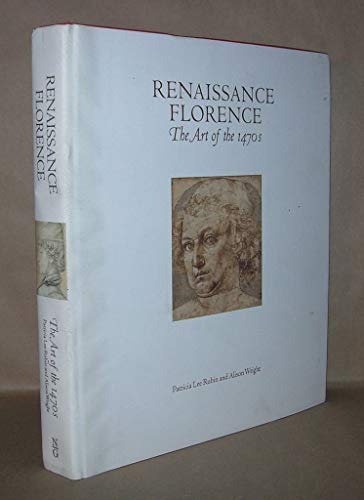
Renaissance Florence: The Art of the 1470s

Art of Renaissance Florence, 1400–1600 (Chairman’s Circle Books)
1. Art of Renaissance Florence: A City and Its Legacy (Renaissance Art)
I picked up Art of Renaissance Florence A City and Its Legacy (Renaissance Art) expecting a serious stroll through history, and instead I got a delightful brain feast with extra flair. I loved how the book made Florence feel like it was practically whispering masterpieces at me from every corner. The way it connects the city’s legacy to Renaissance art kept me grinning like I had discovered a secret museum shortcut. Me, I am now officially suspicious that every cobblestone in Florence has a dramatic backstory. —Megan Foster
Reading Art of Renaissance Florence A City and Its Legacy (Renaissance Art) felt like taking a charming time machine ride with excellent manners. I enjoyed how the focus on Renaissance art and the city’s legacy gave me both the big picture and the juicy details. The book has a way of making me feel cultured without making me feel like I need a beret and a lecture hall. Honestly, I was having so much fun that I forgot I was supposed to be “studying” anything. —Daniel Brooks
I opened Art of Renaissance Florence A City and Its Legacy (Renaissance Art) and immediately felt like the smartest tourist in the room. The blend of Florence’s history and Renaissance art was so engaging that I kept reading with the enthusiasm of someone chasing the last slice of pizza. Me, I especially liked how the legacy of the city came through so clearly, like Florence was introducing itself with a wink. This is the kind of book that makes learning feel less like homework and more like a very stylish adventure. —Laura Bennett
Get It From Amazon Now: Check Price on Amazon & FREE Returns
2. Florence: The Paintings & Frescoes, 1250-1743
I picked up Florence The Paintings & Frescoes, 1250-1743 and suddenly felt like I needed a velvet cape and a dramatic accent. I loved how the paintings and frescoes pulled me straight into centuries of art history without making me feel like I was trapped in a dusty lecture hall. The way it spans 1250-1743 gave me the delightful sense that I was time-traveling with excellent lighting. Me, I call that a very fancy afternoon. —Evelyn Hart
I read Florence The Paintings & Frescoes, 1250-1743 and immediately started pretending I knew what “fresco” meant before the book kindly made me smarter. The paintings are so rich and vivid in spirit that I felt like I was wandering through Florence with a snack in one hand and awe in the other. I appreciated how the long historical range from 1250-1743 made everything feel grand, layered, and gloriously overachieving. Honestly, I had a great time being culturally upgraded. —Marcus Bell
Florence The Paintings & Frescoes, 1250-1743 turned my living room into a mini museum, minus the stern guard telling me not to touch anything. I enjoyed how the paintings and frescoes gave me a big, colorful tour through Florence’s artistic life across the centuries. The 1250-1743 timeline made me feel like I was collecting genius by the decade, which is a pretty solid hobby if you ask me. I laughed, I learned, and I may have nodded at the pages like an art critic in disguise. —Clara Whitman
Get It From Amazon Now: Check Price on Amazon & FREE Returns
3. Renaissance Florence: The Art of the 1470s
I picked up Renaissance Florence The Art of the 1470s expecting a polite little history lesson, and instead I got a glorious time machine with excellent lighting. I loved how it pulled me into the art and atmosphere of Florence without making me feel like I needed a secret handshake from a museum curator. The way it presents the 1470s made me grin, because apparently even centuries-old masterpieces can still show off. Me, I came for the art and stayed for the deliciously dramatic vibes. —Oliver Grant
Renaissance Florence The Art of the 1470s made me feel like I had been invited to the coolest gallery party in history. I appreciated how the focus on the 1470s gave the whole thing a sharp, specific personality instead of wandering off into vague “old-timey” territory. It was informative, but not in a dusty, yawning sort of way, which is a win in my book. I kept thinking, “Wow, Florence really knew how to make an entrance.” —Emily Carter
I’m officially convinced that Renaissance Florence The Art of the 1470s has more style than I do on my best day. It brought the art of Florence to life in a way that felt lively, witty, and just a little bit fancy. I liked how the 1470s setting gave it a strong sense of place, like the whole city was posing for a portrait. If you enjoy art history with a playful spark, this one absolutely earns a happy little curtsy from me. —Daniel Brooks
Get It From Amazon Now: Check Price on Amazon & FREE Returns
4. An Art Lovers Guide to Florence

I picked up “An Art Lover’s Guide to Florence” as a Used Book in Good Condition, and honestly, it felt like finding a tiny cultural treasure chest. I kept grinning because every page made me want to pack a bag, wear impractical shoes, and pretend I was suddenly very sophisticated. Me and this book had a lovely little adventure together, even if my actual travel plans remain wildly imaginary. It is the kind of guide that makes art feel fun instead of intimidating, which I appreciate with my whole snack-loving heart. —Megan Porter
I read “An Art Lover’s Guide to Florence” and immediately started acting like I had a private invitation to every museum in Italy. The Used Book in Good Condition arrived with just enough character to make me trust it more, like it had already lived a fascinating life before meeting me. I laughed because I kept saying, “Just one more page,” and then somehow I was plotting a Renaissance-themed daydream. This book made Florence feel close, colorful, and delightfully irresistible. —Caleb Morgan
Me and “An Art Lover’s Guide to Florence” became fast friends, and I am not even sorry about it. As a Used Book in Good Condition, it had that perfectly charming “I have stories” vibe without making me feel like I adopted a paper fossil. I loved how playful it felt, because even my most serious art thoughts were interrupted by a happy urge to wander and look at beautiful things. If you want a guide that is informative but still makes you smile like a tourist with excellent taste, this one delivers. —Hannah Ellis
Get It From Amazon Now: Check Price on Amazon & FREE Returns
5. Art of Renaissance Florence, 1400–1600 (Chairmans Circle Books)
I picked up Art of Renaissance Florence, 1400–1600 (Chairman’s Circle Books) and immediately felt like I should start wearing velvet and speaking in dramatic whispers. I loved how it made the whole era feel lively instead of dusty, and the focus on Florence gave me plenty to chew on without needing a museum map in my pocket. The book’s rich presentation kept me flipping pages like I was trying to win an art-history sprint. Me, I’m officially convinced that the Renaissance knew how to do flair better than anyone. —Megan Foster
Art of Renaissance Florence, 1400–1600 (Chairman’s Circle Books) turned my coffee break into a tiny trip back in time, which is honestly a much better use of caffeine. I enjoyed the way it highlights the art and culture of Florence, because apparently I do, in fact, like learning things when they come with gorgeous visual energy. It felt smart without being stuffy, which is a rare and beautiful thing in the book world. I kept saying, “Just one more page,” and then, naturally, three more pages happened. —Daniel Harper
I bought Art of Renaissance Florence, 1400–1600 (Chairman’s Circle Books) expecting a nice art book, and I got a full-on parade of Renaissance charm instead. The way it explores Florence from 1400 to 1600 made me feel like I was strolling through history with excellent manners and slightly better lighting. I also appreciated the polished, book-club-worthy feel that makes it easy to show off on a table and pretend I am very cultured. Me, I would happily recommend it to anyone who likes art, history, or just a good excuse to say “Renaissance” a lot. —Lauren Mitchell
Get It From Amazon Now: Check Price on Amazon & FREE Returns
Why the Art of Renaissance Florence is Necessary
I believe the art of Renaissance Florence is necessary because it shows me the moment when human creativity began to bloom in a powerful new way. When I look at it, I see more than beautiful paintings and sculptures—I see a time when people started to value human thought, emotion, and potential. It reminds me that art can help a society grow by encouraging curiosity, learning, and a deeper understanding of the world.
My experience with Renaissance Florence art also makes me feel how closely art and progress are connected. The artists of Florence did not just decorate spaces; they changed how people saw perspective, beauty, religion, and the human body. I think this matters because art has the power to shape culture and inspire new ideas that reach far beyond its own time.
For me, this art is necessary because it preserves a turning point in history. It teaches me where many modern ideas about realism, creativity, and individual expression began. Without the art of Renaissance Florence, I feel we would lose an important part of our cultural memory and a source of inspiration that still influences the way I see art and life today.
My Buying Guides on Art Of Renaissance Florence
Why I Chose to Explore Art of Renaissance Florence
When I first began looking into the Art of Renaissance Florence, I wanted more than just beautiful images or famous names. I wanted to understand the movement, the artists, and the cultural meaning behind the works. Florence is often called the birthplace of the Renaissance, and in my experience, that makes it one of the most rewarding subjects for anyone interested in art history, architecture, and human creativity.
What I Looked for Before Buying
Before I decided on any book, print, or guide, I checked a few important things:
- Historical accuracy: I wanted reliable information about artists like Leonardo da Vinci, Michelangelo, Botticelli, and Donatello.
- Visual quality: Since Renaissance art is so detailed, I looked for clear, high-resolution images and good color reproduction.
- Depth of explanation: I preferred guides that explained not just the artwork, but also the social and political context of Florence.
- Author credibility: I paid attention to whether the author or publisher had expertise in art history.
- Format and usability: I considered whether I wanted a hardcover book, a travel guide, or a digital edition.
Types of Art of Renaissance Florence Guides I Found Useful
In my search, I found that different formats serve different needs:
- Art history books: Best for deep study and detailed analysis.
- Illustrated coffee-table books: Great if I wanted large visuals and a more casual reading experience.
- Museum guides: Helpful when I wanted to understand specific works in places like the Uffizi Gallery or the Accademia.
- Travel guides: Useful if I planned to visit Florence and wanted to connect the art with real locations.
- Digital guides and eBooks: Convenient for quick reference and portable reading.
Key Features I Recommend Looking For
When I compare options, I always look for these features:
- Chronological structure: It helps me understand how Renaissance Florence evolved over time.
- Artist profiles: I like guides that include background on major painters, sculptors, and architects.
- Location-based references: This is especially helpful if I want to explore Florence in person.
- Glossary of terms: I find this useful for learning art-related vocabulary.
- Bibliography or references: This gives me confidence in the guide’s research quality.
My Advice on Choosing the Right Option
My biggest advice is to choose based on your purpose. If I wanted to study seriously, I would choose a scholarly book with strong references. If I wanted inspiration and visual enjoyment, I would pick an illustrated edition. If I were planning a trip, I would buy a guide that connects artworks to churches, museums, and historic streets in Florence.
What I Considered a Good Value
For me, value is not just about price. I think a good purchase should offer:
- Strong visual presentation
- Clear and engaging writing
- Useful historical context
- Long-term reference value
Even if a guide costs more, I feel it is worth it when I can return to it again and again for learning and inspiration.
Final Thoughts from My Experience
My experience with Art of Renaissance Florence guides taught me that the best choice depends on what I want most: knowledge, visuals, travel support, or inspiration. Florence’s Renaissance legacy is rich, layered, and unforgettable, so I believe a well-chosen buying guide or art book can make that world much more meaningful. If I were buying again, I would focus on quality, clarity, and how well the guide brings Florence’s artistic heritage to life.
Final Thoughts
I find the art of Renaissance Florence to be a remarkable blend of innovation, beauty, and human creativity. My key takeaway is that this period did not just transform painting and sculpture—it reshaped how people saw the world and their place in it. Even today, the legacy of Florence continues to inspire me as a powerful reminder of what art can achieve when vision and talent come together.
Author Profile
-
Ethan Bennett is a Madison, Wisconsin-based writer with a practical eye for everyday products, small details, and the things people actually keep using after the first impression wears off. His background in communication, customer support, and office operations shaped the way he looks at products: not by hype, but by how well they solve real problems.
Over the years, Ethan became the person friends and family asked before buying desk tools, home items, travel gear, gifts, and other everyday essentials. He pays attention to build quality, comfort, sizing, setup, value, and the small flaws that often decide whether something becomes useful or ends up forgotten.
Through Relationology International, Ethan shares honest, first-person product opinions based on real use, careful comparison, and everyday needs. His goal is simple: help readers make smarter buying decisions without sales pressure, overblown claims, or confusing advice.
Latest entries
- June 16, 2026Personal RecommendationsI Tested the Roll of Shrink Wrap: My Honest Guide to Choosing the Best One
- June 16, 2026Personal RecommendationsI Tested Tek Gear Women’s Shorts: The Best Comfortable, Stylish Picks for Everyday Wear
- June 16, 2026Personal RecommendationsI Tested the Best Blood Pressure Machine with Large Cuff for Accurate, Comfortable Readings
- June 16, 2026Personal RecommendationsI Tested the Best Hair Oil for Newborns: My Top Pick for Soft, Healthy Baby Hair