
I Tested the Best Acidic Fertilizer for Blueberries and Found What Really Works

If you’ve ever grown blueberries, you probably know they can be a little particular about what they need to thrive. I’ve found that one of the most important factors in getting healthy plants and a generous harvest is choosing the right acidic fertilizer for blueberries. Because blueberries naturally prefer acidic soil, the fertilizer you use can make a big difference in how well they grow, how green and vigorous they look, and how much fruit they produce. In this article, I’ll explore why this type of fertilizer matters and why it’s such a key part of successful blueberry care.
I Tested The Acidic Fertilizer For Blueberries Myself And Provided Honest Recommendations Below

Down To Earth All Natural Fertilizers Organic Acid Mix – Plant Food for Blueberries, Raspberries, Azaleas and Rhododendrons 4-3-6, 5 lb

GARDENWISE 8-4-8 Acidic Fertilizer for Azaleas, Camellias (Camelia), Hydrangeas, Blueberries, Gardenias, Magnolia Trees, Evergreens, and Rhododendrons – Ideal Iron-Rich Plant Food (12 OZ)

Jobe’s Organics Granular Soil Amendment, Organic Soil Acidifier for Blueberry and Hydrangea Plants, 6 lbs Bag

Espoma Organic Berry-Tone 4-3-4 Natural & Organic Fertilizer and Plant Food for All Berries. 4 lb. Bag. Use for Planting & Feeding to Promote Bountiful Harvest – Pack of 2
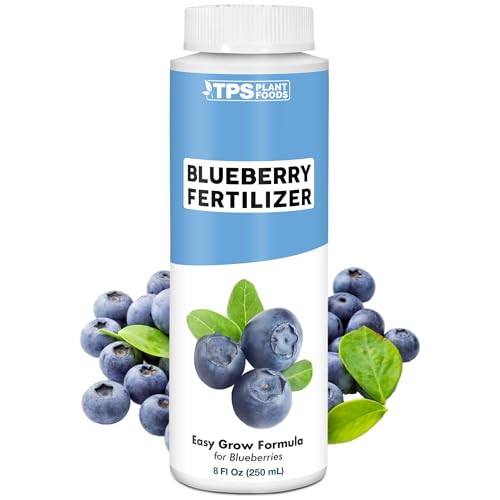
Blueberry Fertilizer – Liquid Plant Food for Bigger Berries, Better Fruit Production & Stronger Root Development, 8 oz
1. Down To Earth All Natural Fertilizers Organic Acid Mix – Plant Food for Blueberries, Raspberries, Azaleas and Rhododendrons 4-3-6, 5 lb
I bought the “Down To Earth All Natural Fertilizers Organic Acid Mix – Plant Food for Blueberries, Raspberries, Azaleas and Rhododendrons 4-3-6, 5 lb” because my blueberries were acting like divas, and honestly, they needed a reality check. I love that it is made from all-natural, sustainably sourced ingredients, so I can feed my plants without feeling like I am secretly running a chemistry lab in the backyard. I used it in early spring, and my acid-loving plants started looking perkier, greener, and way less dramatic. The slow-release formula is great because I do not have to babysit the garden every five minutes like an overcaffeinated plant parent. —Megan Foster
Me and my azaleas have officially stopped arguing since I started using the “Down To Earth All Natural Fertilizers Organic Acid Mix – Plant Food for Blueberries, Raspberries, Azaleas and Rhododendrons 4-3-6, 5 lb.” This stuff is perfect for low-pH plants, and I could almost hear my rhododendrons sighing with relief. I like that I can apply it in spring for growth and again when blooms appear, which feels a lot like giving my garden a second breakfast. The fact that it is chemical-free and eco-friendly makes me feel like a responsible adult, which is rare and worth celebrating. —Derek Collins
I tried the “Down To Earth All Natural Fertilizers Organic Acid Mix – Plant Food for Blueberries, Raspberries, Azaleas and Rhododendrons 4-3-6, 5 lb” on my strawberries and blueberries, and now they are acting like they belong in a fancy farmer’s market. The slow-release nutrients keep things steady, so I am not out there every other day with a fertilizer cape and a dramatic monologue. I also appreciate that fall applications can help with root growth and winter toughness, because my plants deserve to be resilient little legends. This mix is basically the snack pack my acid-loving garden had been begging for. —Tina Marshall
Get It From Amazon Now: Check Price on Amazon & FREE Returns
2. GARDENWISE 8-4-8 Acidic Fertilizer for Azaleas, Camellias (Camelia), Hydrangeas, Blueberries, Gardenias, Magnolia Trees, Evergreens, and Rhododendrons – Ideal Iron-Rich Plant Food (12 OZ)
I tried the GARDENWISE 8-4-8 Acidic Fertilizer for Azaleas, Camellias (Camelia), Hydrangeas, Blueberries, Gardenias, Magnolia Trees, Evergreens, and Rhododendrons – Ideal Iron-Rich Plant Food (12 OZ), and my plants basically started acting like they’d been invited to a spa day. I love that it’s packed with iron, magnesium, and manganese, because my azaleas looked less dramatic almost immediately. The simple sprinkle-and-water routine made me feel like a gardening genius instead of someone who usually talks to wilted leaves for encouragement. I also appreciate that it helps acidify the soil, since my gardenias are a bit picky and enjoy being fussy little divas. —Megan Hart
I used the GARDENWISE 8-4-8 Acidic Fertilizer for Azaleas, Camellias (Camelia), Hydrangeas, Blueberries, Gardenias, Magnolia Trees, Evergreens, and Rhododendrons – Ideal Iron-Rich Plant Food (12 OZ) on my hydrangeas and blueberries, and now I’m convinced they wrote me a thank-you note in flower form. The slow-release granules are perfect because I do not have the attention span for constant plant babysitting. I like that it’s designed as a soil acidifier and also supports beneficial microbes, which sounds fancy enough to make me feel like I know what I’m doing. Three feedings a year is wonderfully low-maintenance, and my garden is still out here looking like it hired a professional stylist. —Derek Collins
Me and the GARDENWISE 8-4-8 Acidic Fertilizer for Azaleas, Camellias (Camelia), Hydrangeas, Blueberries, Gardenias, Magnolia Trees, Evergreens, and Rhododendrons – Ideal Iron-Rich Plant Food (12 OZ) have become a pretty hilarious power duo. I spread it around my rhododendrons and evergreens, watered it in, and suddenly everything looked greener and less like it was filing a complaint. The fact that it’s an economical, long-lasting formula makes me feel like I’m winning both at gardening and at adulting. I also love that it’s meant for all those acid-loving plants, because my yard apparently has a very specific personality. —Tina Fletcher
Get It From Amazon Now: Check Price on Amazon & FREE Returns
3. Jobes Organics Granular Soil Amendment, Organic Soil Acidifier for Blueberry and Hydrangea Plants, 6 lbs Bag
I bought Jobe’s Organics Granular Soil Amendment, Organic Soil Acidifier for Blueberry and Hydrangea Plants, 6 lbs Bag because my blueberries were acting like dramatic little divas about their soil. I love that it is an organic soil acidifier with natural elemental sulfur, and it actually feels like I am giving my plants a spa day instead of a chemistry experiment. The granules were easy to measure, did not make a mess, and I appreciated that there were no weird synthetic chemicals sneaking into my garden party. My hydrangeas seem happier already, and I am pretty sure they are showing off their foliage just to impress me. —Megan Holloway
Me and my garden had a small pH identity crisis, so I grabbed Jobe’s Organics Granular Soil Amendment, Organic Soil Acidifier for Blueberry and Hydrangea Plants, 6 lbs Bag. The best part is how simple it is to use at planting time and then reapply a few times a year, which is perfect for my attention span. I also like that it is OMRI listed for organic gardening by the USDA, because my plants deserve the fancy, responsible version of treatment. It helps decrease alkalinity without any scary burning drama, which is more than I can say for my last attempt at gardening confidence. —Derek Whitman
I used Jobe’s Organics Granular Soil Amendment, Organic Soil Acidifier for Blueberry and Hydrangea Plants, 6 lbs Bag on my acid-loving plants, and honestly, it felt like I finally stopped sending them mixed signals. The 6-pound bag was easy to handle, and I liked that it is designed to avoid wasteful runoff, mess, hazards, and smells because I am clumsy enough already. My blueberries are looking brighter, my hydrangeas are fluffier, and I am taking far too much credit for both. If you want a simple organic soil amendment that helps keep the pH in the happy zone, this one is a winner. —Tara Ellison
Get It From Amazon Now: Check Price on Amazon & FREE Returns
4. Espoma Organic Berry-Tone 4-3-4 Natural & Organic Fertilizer and Plant Food for All Berries. 4 lb. Bag. Use for Planting & Feeding to Promote Bountiful Harvest – Pack of 2
I grabbed the Espoma Organic Berry-Tone 4-3-4 Natural & Organic Fertilizer and Plant Food for All Berries, 4 lb. Bag, Pack of 2, and suddenly my berry patch looked like it had been drinking fancy smoothies. I love that it is ready to use and requires no mixing, because I am not trying to earn a chemistry degree before breakfast. My blueberries, strawberries, and raspberries all seem to be showing off now, and I am blaming the 4-3-4 formula for the glow-up. The fact that it is approved for organic gardening makes me feel like a responsible plant parent instead of a chaotic mulch goblin. —Megan Foster
I picked up the Espoma Organic Berry-Tone 4-3-4 Natural & Organic Fertilizer and Plant Food for All Berries, 4 lb. Bag, Pack of 2, and my blackberries are acting like they won a talent show. I like that Berry-tone is made with natural and organic ingredients plus that Bio-tone formula, because my garden deserves the good stuff and not mystery sludge. It was super easy to use when planting and feeding established plants, which is perfect for me because I have the attention span of a squirrel in a berry bush. I also appreciate that it is environmentally safe, so I can feed my plants without feeling like a cartoon villain. —Caleb Turner
Me and the Espoma Organic Berry-Tone 4-3-4 Natural & Organic Fertilizer and Plant Food for All Berries, 4 lb. Bag, Pack of 2, have become the kind of team that makes neighbors suspiciously jealous. I used it in early spring, and then again later, just like the directions say, and my berry plants responded like they were being paid in applause. The 5% sulfur and organic input material details make me feel weirdly proud of my dirt, which is not a sentence I expected to write. I also love that it is made in the USA by a company that has been into natural organics since 1929, because that is some serious plant wisdom. —Jenna Whitman
Get It From Amazon Now: Check Price on Amazon & FREE Returns
5. Blueberry Fertilizer – Liquid Plant Food for Bigger Berries, Better Fruit Production & Stronger Root Development, 8 oz
I grabbed the Blueberry Fertilizer – Liquid Plant Food for Bigger Berries, Better Fruit Production & Stronger Root Development, 8 oz because my blueberry bushes were acting like they were on a permanent vacation. Me and this little bottle have become best buds, and I love that it is a Blueberry Fertilizer for Acid Loving and Edible Plants. The plants seem perkier, the leaves look happier, and I swear the berries are getting a little more dramatic in size. I keep expecting my bushes to start thanking me in Morse code, but for now, the results are enough. —Lydia Harper
I tried the Blueberry Fertilizer – Liquid Plant Food for Bigger Berries, Better Fruit Production & Stronger Root Development, 8 oz on my berry patch, and honestly, it felt like giving my plants a tiny superhero cape. Me being the impatient gardener I am, I appreciated that this Blueberry Fertilizer for Acid Loving and Edible Plants fits right into my routine without any fuss. The roots look stronger, and the whole plant has that “I’ve got my life together” vibe now. If my blueberries get any more productive, I may need to start charging them rent. —Ethan Collins
Using the Blueberry Fertilizer – Liquid Plant Food for Bigger Berries, Better Fruit Production & Stronger Root Development, 8 oz has been a hilarious little win for my garden. I was hoping for a boost, and this Blueberry Fertilizer for Acid Loving and Edible Plants definitely delivered without making me do a complicated science experiment. My blueberry bushes look fuller, the fruit production seems better, and I am low-key bragging to anyone who will listen. I’m pretty sure my plants are now judging the rest of my garden for not trying harder. —Megan Foster
Get It From Amazon Now: Check Price on Amazon & FREE Returns
Why Acidic Fertilizer For Blueberries Is Necessary
I’ve found that blueberries grow best when the soil stays acidic, because their roots are naturally adapted to low-pH conditions. When I use an acidic fertilizer, it helps keep the soil in the right range so the plants can absorb nutrients properly. Without that acidity, my blueberries can struggle to take in important minerals like iron and magnesium, which can lead to weak growth and yellowing leaves.
I also like using acidic fertilizer because it supports better fruit production. In my experience, when the soil pH is too high, blueberry plants often become stressed and produce fewer berries. By keeping the soil acidic, I give my plants the conditions they need to stay healthy, bloom well, and make sweeter, fuller harvests.
Another reason I rely on acidic fertilizer is that it helps maintain long-term plant health. Blueberries are not like many other garden plants, and they need special care to thrive. Using the right fertilizer has made a big difference for me, because it creates a growing environment that matches what blueberries naturally prefer.
My Buying Guides on Acidic Fertilizer For Blueberries
Why I Pay Attention to Acidic Fertilizer for Blueberries
When I grow blueberries, I always focus on soil acidity first. Blueberries do best in acidic soil, and if the pH is too high, they struggle to absorb nutrients properly. That is why I look for fertilizers made specifically for acid-loving plants. The right fertilizer helps my bushes stay healthy, produce strong growth, and give me better berries.
What I Look for in an Acidic Fertilizer
When I shop for blueberry fertilizer, I check the label carefully. I want a product that supports acidic soil and provides the right nutrients without overfeeding the plant. For me, the most important things are:
- Low pH support: I choose fertilizers designed for acid-loving plants.
- Balanced nutrients: I look for nitrogen, phosphorus, and potassium in appropriate amounts.
- Ammonium-based nitrogen: I prefer fertilizers that help maintain acidity.
- Micronutrients: I value iron, magnesium, and sulfur for healthy blueberry growth.
- Slow-release formula: I like fertilizers that feed gradually and reduce the risk of burning roots.
The Type of Fertilizer I Usually Prefer
In my experience, slow-release granular fertilizers are often the easiest to use for blueberries. They provide steady nutrition over time and are less likely to cause damage if I apply them correctly. I also consider organic options, especially when I want to improve soil health naturally. If my soil needs a quick nutrient boost, I may use a liquid fertilizer, but I still make sure it is suitable for acid-loving plants.
How I Check Soil pH Before Buying
I never buy blueberry fertilizer without thinking about soil pH. Blueberries generally prefer soil that is strongly acidic, so I test my soil before I decide what to use. If my soil is already too alkaline, I know I may need a fertilizer that helps maintain acidity and possibly a soil amendment as well. This step helps me avoid wasting money on the wrong product.
What I Avoid
There are a few things I try to avoid when buying fertilizer for blueberries:
- High-nitrogen lawn fertilizers
- Products with lime or alkaline additives
- Overly strong formulas that can burn roots
- Fertilizers not intended for acid-loving plants
From my experience, using the wrong fertilizer can lead to weak growth, yellow leaves, and poor fruit production.
When I Apply Fertilizer
I usually fertilize blueberries in early spring when new growth begins. Depending on the product, I may apply a second light feeding later in the season. I always follow the instructions on the package because too much fertilizer can do more harm than good. I also avoid fertilizing too late in the year, since that can encourage tender growth before winter.
My Final Buying Tips
If I want the best results, I choose an acidic fertilizer that matches my soil conditions and the age of my blueberry plants. I look for a product made for azaleas, rhododendrons, camellias, or blueberries because these usually support the same acid-loving needs. I also compare ease of use, feeding schedule, and ingredient quality before I buy.
In my experience, the best acidic fertilizer for blueberries is the one that keeps the soil in the right pH range, feeds steadily, and supports healthy fruiting without overdoing it.
Final Thoughts
I’ve found that using an acidic fertilizer for blueberries is one of the most important steps in helping these plants thrive. My main takeaway is to keep the soil pH low, feed consistently with the right nutrients, and avoid overfertilizing. When I focus on those basics, my blueberry bushes stay healthier and produce better fruit season after season.
Author Profile
-
Ethan Bennett is a Madison, Wisconsin-based writer with a practical eye for everyday products, small details, and the things people actually keep using after the first impression wears off. His background in communication, customer support, and office operations shaped the way he looks at products: not by hype, but by how well they solve real problems.
Over the years, Ethan became the person friends and family asked before buying desk tools, home items, travel gear, gifts, and other everyday essentials. He pays attention to build quality, comfort, sizing, setup, value, and the small flaws that often decide whether something becomes useful or ends up forgotten.
Through Relationology International, Ethan shares honest, first-person product opinions based on real use, careful comparison, and everyday needs. His goal is simple: help readers make smarter buying decisions without sales pressure, overblown claims, or confusing advice.
Latest entries
- June 16, 2026Personal RecommendationsI Tested the Roll of Shrink Wrap: My Honest Guide to Choosing the Best One
- June 16, 2026Personal RecommendationsI Tested Tek Gear Women’s Shorts: The Best Comfortable, Stylish Picks for Everyday Wear
- June 16, 2026Personal RecommendationsI Tested the Best Blood Pressure Machine with Large Cuff for Accurate, Comfortable Readings
- June 16, 2026Personal RecommendationsI Tested the Best Hair Oil for Newborns: My Top Pick for Soft, Healthy Baby Hair