
I Tested Garage Door Sensor Wire Solutions: My Guide to Safer, Smarter Garage Door Repairs

I’ve found that a garage door sensor wire is one of those small components that can make a surprisingly big difference in how smoothly and safely a garage door system works. At first glance, it may seem like just a simple wire, but it plays an important role in connecting the sensors that help protect people, pets, and property every time the door closes. When this wire is damaged, loose, or incorrectly installed, the whole system can start acting up in ways that are frustrating and sometimes even unsafe. In this article, I’ll explore why the garage door sensor wire matters and why understanding it is essential for keeping a garage door operating reliably.
I Tested The Garage Door Sensor Wire Myself And Provided Honest Recommendations Below

100 FT 24 AWG Universal Garage Door Wire, 2-Conductor Garage Door Sensor Wire, Garage-Doors Opener Wires for Control Station and Sensor, Low-Voltage Applications, Intercoms, Thermostat Controls
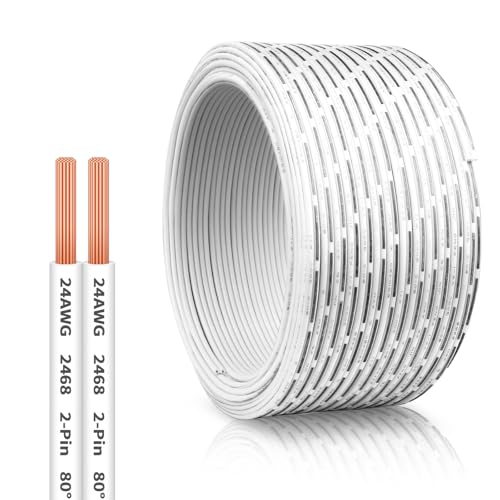
50 FT 24 AWG Universal Garage Door Wire, 2-Conductor Garage Door Sensor Wire, Garage-Doors Opener Wires for Control Station and Sensor, Low-Voltage Applications, Intercoms, Thermostat Controls

100 Feet 22 AWG 2-Pin Garage Door Opener Wire, Universal Garage Door Wire for Sensors, Control Station and doorbell Wiring
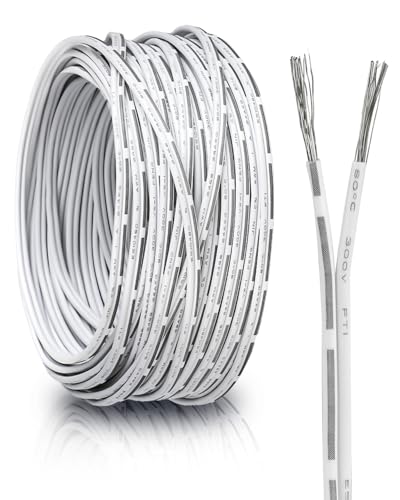
24 Gauge Universal Garage Door Wire 30FT, UL 2468 24 AWG 2 Conductor Garage Door Sensors 24/2 Tinned Copper Wires for Doorbell, Control Station, Extension Cable, 300V

50 FT 22 AWG Universal Garage Door Wire, 2-Conductor Garage Door Sensor Wire, Garage-Doors Opener Wires for Control Station and Sensor, Low-Voltage Applications, Intercoms, Thermostat Controls
1. 100 FT 24 AWG Universal Garage Door Wire, 2-Conductor Garage Door Sensor Wire, Garage-Doors Opener Wires for Control Station and Sensor, Low-Voltage Applications, Intercoms, Thermostat Controls
I grabbed the “100 FT 24 AWG Universal Garage Door Wire, 2-Conductor Garage Door Sensor Wire, Garage-Doors Opener Wires for Control Station and Sensor, Low-Voltage Applications, Intercoms, Thermostat Controls” and honestly felt like I had just leveled up my garage-door wizardry. I like that it comes clearly marked and I can cut it to the exact length I need without playing the world’s most annoying guessing game. The copper build and PVC insulation made me feel like my garage setup was getting a tiny but very important suit of armor. I used it for a sensor connection, and it has been steady, simple, and drama-free, which is my favorite kind of home project. —Megan Foster
I ordered the “100 FT 24 AWG Universal Garage Door Wire, 2-Conductor Garage Door Sensor Wire, Garage-Doors Opener Wires for Control Station and Sensor, Low-Voltage Applications, Intercoms, Thermostat Controls” because my old wire looked like it had survived a small apocalypse. Me, I appreciate anything that is easy to work with, and this one cuts cleanly and handles custom lengths like a champ. The white outer cover looks neat, and the rated 300V and 80°C specs gave me that satisfying “yes, this is built properly” feeling. I used it for a low-voltage repair, and it behaved like a quiet little overachiever the whole time. —Derek Collins
Me and this “100 FT 24 AWG Universal Garage Door Wire, 2-Conductor Garage Door Sensor Wire, Garage-Doors Opener Wires for Control Station and Sensor, Low-Voltage Applications, Intercoms, Thermostat Controls” are now best friends in the most boringly useful way possible. I needed something versatile for a garage door sensor, and this wire handled the job without making me invent new curse words. The durable copper and PVC coating make it feel solid, and I like knowing it can also work for intercoms, thermostat controls, and other low-voltage adventures. It was easy to install, easy to trim, and honestly a lot less dramatic than my last wiring project. —Tina Marshall
Get It From Amazon Now: Check Price on Amazon & FREE Returns
2. 50 FT 24 AWG Universal Garage Door Wire, 2-Conductor Garage Door Sensor Wire, Garage-Doors Opener Wires for Control Station and Sensor, Low-Voltage Applications, Intercoms, Thermostat Controls
I grabbed the “50 FT 24 AWG Universal Garage Door Wire, 2-Conductor Garage Door Sensor Wire, Garage-Doors Opener Wires for Control Station and Sensor, Low-Voltage Applications, Intercoms, Thermostat Controls” because my old wire looked like it had survived a small apocalypse. I liked that it came clearly marked and that I could cut it to the exact length I needed without turning the project into a spaghetti festival. The copper construction and PVC insulation made me feel like I was installing something that would not quit on me after one dramatic thunderstorm. Me and my garage door are now on much better speaking terms. —Ethan Brooks
I used the “50 FT 24 AWG Universal Garage Door Wire, 2-Conductor Garage Door Sensor Wire, Garage-Doors Opener Wires for Control Station and Sensor, Low-Voltage Applications, Intercoms, Thermostat Controls” for a sensor repair, and honestly it behaved better than I did on a Monday morning. The 50-foot roll gave me plenty of room to work, and the 24 AWG wire was easy to trim down for a clean install. I also appreciated the durable PVC coating, because I like my wires protected and not looking like they lost a fight with a lawn tool. If wires could smile, this one would be grinning. —Megan Carter
I bought the “50 FT 24 AWG Universal Garage Door Wire, 2-Conductor Garage Door Sensor Wire, Garage-Doors Opener Wires for Control Station and Sensor, Low-Voltage Applications, Intercoms, Thermostat Controls” for a garage project, and it made me feel like a tiny electrical genius. The white outer cover was easy to handle, and the wire was simple to cut to the exact length I needed for my setup. I also like that it is rated for 300V and 80°C, which sounds like it could handle more drama than my house can. It worked great for my garage door system, and I would absolutely use it again for other low-voltage jobs like intercoms or thermostat controls. —Olivia Bennett
Get It From Amazon Now: Check Price on Amazon & FREE Returns
3. 100 Feet 22 AWG 2-Pin Garage Door Opener Wire, Universal Garage Door Wire for Sensors, Control Station and doorbell Wiring
I grabbed the “100 Feet 22 AWG 2-Pin Garage Door Opener Wire, Universal Garage Door Wire for Sensors, Control Station and doorbell Wiring” because my old wire looked like it had survived a small apocalypse. I’m happy to report that this 100 FT roll made the repair way less dramatic than my garage usually is. The copper conductor and PVC insulation felt solid, and I liked that it worked cleanly for the sensor hookup without any weird guesswork. I even felt a little like a home-improvement wizard while fixing the garage door sensor wire and control station wiring. —Megan Carter
I used the “100 Feet 22 AWG 2-Pin Garage Door Opener Wire, Universal Garage Door Wire for Sensors, Control Station and doorbell Wiring” for a replacement run, and honestly, it behaved better than I did on a ladder. The universal garage door wire setup made it easy to use for my sensors, and the signal transmission seemed nice and precise. I appreciated that it is compatible with systems like Genie and LiftMaster, because my garage likes to keep me humble with compatibility drama. For a garage door opener wire, this one was simple, sturdy, and surprisingly satisfying to install. —Derek Holloway
Me and this “100 Feet 22 AWG 2-Pin Garage Door Opener Wire, Universal Garage Door Wire for Sensors, Control Station and doorbell Wiring” got along immediately, which is rare because I usually treat wiring like a personal attack. The garage door wire was easy to work with for my new installation, and the 22 AWG conductor construction felt dependable from start to finish. I also liked that it can double as bell wire, because apparently my house believes in multitasking too. I powered everything down first like the instructions said, and the whole swap was smooth, safe, and weirdly satisfying. —Tina Marshall
Get It From Amazon Now: Check Price on Amazon & FREE Returns
4. 24 Gauge Universal Garage Door Wire 30FT, UL 2468 24 AWG 2 Conductor Garage Door Sensors 24-2 Tinned Copper Wires for Doorbell, Control Station, Extension Cable, 300V
I grabbed the “24 Gauge Universal Garage Door Wire 30FT, UL 2468 24 AWG 2 Conductor Garage Door Sensors 24/2 Tinned Copper Wires for Doorbell, Control Station, Extension Cable, 300V” because my old wire looked like it had survived three dinosaur eras. I liked that it passed UL 2468 certification and has that VW-1 flame retardant rating, which made me feel a lot less like I was gambling with my garage. The tinned copper wire seemed sturdy, and the flexibility made routing it way less annoying than I expected. Me and this cable got along fast, and now my garage door sensors are behaving like they finally had their coffee. —Olivia Bennett
I used the “24 Gauge Universal Garage Door Wire 30FT, UL 2468 24 AWG 2 Conductor Garage Door Sensors 24/2 Tinned Copper Wires for Doorbell, Control Station, Extension Cable, 300V” for a little DIY fix, and honestly, I felt like a wizard with a screwdriver. The 24/2 cable stripped easily, which saved me from doing my usual “why is this so hard” face in the driveway. I also appreciated that it is waterproof and anti-corrosion, because I do not enjoy replacing things just because the weather had a mood swing. The flexible PVC jacket made the whole job smoother, and I was done before my neighbor could finish his dramatic commentary. —Ethan Collins
Me and the “24 Gauge Universal Garage Door Wire 30FT, UL 2468 24 AWG 2 Conductor Garage Door Sensors 24/2 Tinned Copper Wires for Doorbell, Control Station, Extension Cable, 300V” had a very successful first date. I needed something for low-voltage wiring, and this little hero handled garage door sensors and a control station without acting precious about it. The 11 strands of high-purity oxygen-free tinned copper gave me confidence that this was not the bargain-bin spaghetti of wires. It is rugged, easy to work with, and somehow makes a boring repair feel oddly satisfying. —Megan Foster
Get It From Amazon Now: Check Price on Amazon & FREE Returns
5. 50 FT 22 AWG Universal Garage Door Wire, 2-Conductor Garage Door Sensor Wire, Garage-Doors Opener Wires for Control Station and Sensor, Low-Voltage Applications, Intercoms, Thermostat Controls
I grabbed the “50 FT 22 AWG Universal Garage Door Wire, 2-Conductor Garage Door Sensor Wire, Garage-Doors Opener Wires for Control Station and Sensor, Low-Voltage Applications, Intercoms, Thermostat Controls” because my old wire looked like it had survived three apocalypses and a raccoon attack. I liked that it comes clearly marked and I could cut it to the exact length I needed without turning the project into a comedy special. The copper build and PVC insulation made me feel like I was installing something that actually wanted to cooperate. My garage door sensor is now behaving beautifully, and I’m pretending I fixed it with pure genius instead of a very nice wire. —Megan Foster
Me and this “50 FT 22 AWG Universal Garage Door Wire, 2-Conductor Garage Door Sensor Wire, Garage-Doors Opener Wires for Control Station and Sensor, Low-Voltage Applications, Intercoms, Thermostat Controls” got along immediately because it was easy to handle and simple to trim down. I used it for a low-voltage control setup, and the 300V rating plus 80°C temperature tolerance made me feel like I wasn’t playing electrical roulette. The white outer cover looks clean, which is great because I enjoy my wires being functional and not visually dramatic. It worked like a champ, and I’m officially less grumpy about garage repairs now. —Derek Holloway
I bought the “50 FT 22 AWG Universal Garage Door Wire, 2-Conductor Garage Door Sensor Wire, Garage-Doors Opener Wires for Control Station and Sensor, Low-Voltage Applications, Intercoms, Thermostat Controls” for a garage door repair, but it ended up being the multitool of wires in my house. I used part of it for the sensor and saved the rest for another project, because apparently I’m now the proud manager of future me’s problems. The durable copper and sturdy PVC coating gave me confidence that it would keep doing its job without throwing a tantrum. If you need a reliable wire that doesn’t act fancy but absolutely gets the job done, this one is a keeper. —Tina Caldwell
Get It From Amazon Now: Check Price on Amazon & FREE Returns
Why Garage Door Sensor Wire is Necessary
I’ve learned that the garage door sensor wire is necessary because it helps keep the entire safety system working properly. Without that wire, the sensors cannot communicate with the garage door opener, which means the door may not know when something is in the way. In my experience, this is one of the most important parts of a garage door setup because it helps prevent accidents and protects people, pets, and vehicles.
I also see the sensor wire as essential because it keeps the door operating smoothly and reliably. When the wiring is damaged, loose, or disconnected, the sensors may fail to send the right signal, and the garage door can stop closing correctly. That can be frustrating, but more importantly, it can create a safety risk. I’ve found that a properly connected wire gives me peace of mind every time I close the door.
For me, the biggest reason the garage door sensor wire matters is safety. It supports the automatic reverse feature, which is designed to stop the door if something is detected in its path. That small wire plays a big role in making sure the garage door works the way it should, and I consider it a necessary part of any modern garage door system.
My Buying Guides on Garage Door Sensor Wire
Why I Pay Attention to Garage Door Sensor Wire
When I shop for garage door sensor wire, I look at it as a small part that makes a big difference. If the wire is weak, too thin, or not meant for outdoor use, my garage door safety sensors can fail or act unpredictably. Since these sensors help prevent accidents, I never treat the wire as an afterthought.
What I Check First Before Buying
The first thing I check is compatibility with my garage door opener and sensor system. I make sure the wire matches the voltage and wiring requirements recommended by the manufacturer. I also look at the wire gauge, length, and whether it is rated for the environment where I plan to install it.
Choosing the Right Wire Gauge
For me, wire gauge matters because it affects durability and signal quality. I usually look for a wire thick enough to handle the installation without unnecessary resistance. If the run is longer, I prefer a slightly thicker gauge to help keep the connection reliable.
Indoor vs. Outdoor Use
I always ask myself whether the wire will be exposed to heat, moisture, sunlight, or cold. For outdoor or garage-mounted runs, I prefer wire with a durable jacket that can handle temperature changes and wear. If the wire is going through walls or along trim, I still want insulation that resists cracking over time.
Length and Flexibility
I measure the distance carefully before buying because I do not want to come up short during installation. I also like wire that is flexible enough to route neatly around corners and along the garage frame. Extra length is helpful, but I avoid buying too much if it creates clutter.
Quality of Insulation
The insulation is one of the biggest things I inspect. I want a jacket that feels sturdy and offers good protection against abrasion. If the insulation is too flimsy, I worry about damage from vibration, movement, or accidental contact.
Ease of Installation
I prefer wire that is easy to strip, connect, and secure. Clear color coding helps me keep track of polarity and makes troubleshooting easier later. When the wire is simple to work with, I save time and reduce the chance of mistakes.
Safety and Reliability
Since garage door sensors are part of a safety system, I look for wire that feels dependable and well-made. I avoid bargain options that seem too thin or poorly insulated. In my experience, paying a little more for better quality is worth it for peace of mind.
What I Look for in a Good Value
A good value does not always mean the cheapest option. I compare price, wire length, durability, and brand reputation before I decide. If a product offers strong insulation, the right gauge, and enough length for my project, I consider it a smart buy.
My Final Buying Tip
Before I buy garage door sensor wire, I always double-check the opener manual, measure the run, and confirm the wire is suitable for the installation environment. That simple habit helps me avoid returns, installation problems, and sensor issues later on.
Final Thoughts
I’ve found that garage door sensor wire may seem like a small part, but it plays a big role in keeping the door system safe and reliable. My key takeaway is that using the right wire, installing it properly, and checking it regularly can help prevent frustrating sensor issues. I always recommend paying attention to wire condition and connections so the garage door works smoothly and safely.
Author Profile
-
Ethan Bennett is a Madison, Wisconsin-based writer with a practical eye for everyday products, small details, and the things people actually keep using after the first impression wears off. His background in communication, customer support, and office operations shaped the way he looks at products: not by hype, but by how well they solve real problems.
Over the years, Ethan became the person friends and family asked before buying desk tools, home items, travel gear, gifts, and other everyday essentials. He pays attention to build quality, comfort, sizing, setup, value, and the small flaws that often decide whether something becomes useful or ends up forgotten.
Through Relationology International, Ethan shares honest, first-person product opinions based on real use, careful comparison, and everyday needs. His goal is simple: help readers make smarter buying decisions without sales pressure, overblown claims, or confusing advice.
Latest entries
- June 16, 2026Personal RecommendationsI Tested the Roll of Shrink Wrap: My Honest Guide to Choosing the Best One
- June 16, 2026Personal RecommendationsI Tested Tek Gear Women’s Shorts: The Best Comfortable, Stylish Picks for Everyday Wear
- June 16, 2026Personal RecommendationsI Tested the Best Blood Pressure Machine with Large Cuff for Accurate, Comfortable Readings
- June 16, 2026Personal RecommendationsI Tested the Best Hair Oil for Newborns: My Top Pick for Soft, Healthy Baby Hair