
I Tested the Best Ryzen 7 5800X Motherboards: My Top Picks for Performance and Value

When I started looking into the best Ryzen 7 5800X motherboard options, I quickly realized that the right choice can make a huge difference in overall performance, stability, and future upgrade potential. With so many boards available, it’s easy to get overwhelmed by chipset names, feature sets, and compatibility concerns. In this article, I’ll explore what makes a motherboard a strong match for the Ryzen 7 5800X and why choosing wisely matters for getting the most out of this powerful processor.
I Tested The Ryzen 7 5800x Motherboard Myself And Provided Honest Recommendations Below

GIGABYTE B550M K AMD AM4 Micro-ATX Motherboard, Supports Ryzen 5000/4000/3000 Series Processors, DDR4, 3+3 Power Phase, 2X M.2, PCIe 4.0, USB 3.2 Gen 1, GbE LAN, Q-Flash

Asus ROG Strix B550-F Gaming WiFi II AMD AM4 (3rd Gen Ryzen) ATX Gaming Motherboard (PCIe 4.0,WiFi 6E, 2.5Gb LAN, BIOS Flashback, HDMI 2.1, Addressable Gen 2 RGB Header and Aura Sync)
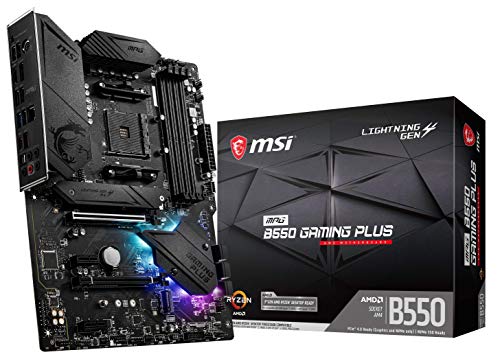
MSI MPG B550 Gaming Plus V1 Gaming Motherboard (AMD Ryzen 5000, AM4, DDR4, PCIe 4.0, SATA 6Gb/s, M.2, USB 3.2 Gen 2, HDMI/DP, ATX)

GIGABYTE B550 Gaming X V2 AMD AM4 ATX Motherboard, Supports Ryzen 5000/4000/3000 Series Processors, DDR4, 10+3 Power Phase, 2X M.2, PCIe 4.0, Front USB-C, GbE LAN, Q-Flash Plus, RGB Fusion

GIGABYTE B550 Eagle WIFI6 AMD AM4 ATX Motherboard, Supports Ryzen 5000/4000/3000 Processors, DDR4, 10+3 Power Phase, 2X M.2, PCIe 4.0, USB-C, WIFI6, GbE LAN, PCIe EZ-Latch, EZ-Latch, RGB Fusion
1. GIGABYTE B550M K AMD AM4 Micro-ATX Motherboard, Supports Ryzen 5000-4000-3000 Series Processors, DDR4, 3+3 Power Phase, 2X M.2, PCIe 4.0, USB 3.2 Gen 1, GbE LAN, Q-Flash
I picked up the GIGABYTE B550M K AMD AM4 Micro-ATX Motherboard, Supports Ryzen 5000/4000/3000 Series Processors, DDR4, 3+3 Power Phase, 2X M.2, PCIe 4.0, USB 3.2 Gen 1, GbE LAN, Q-Flash, and it felt like my PC got a tiny but mighty gym membership. The 3+3 VRM design gives me the kind of steady power delivery that makes me trust it with my precious gaming chaos. I also love that it supports DDR4 with 4 DIMMs, because my memory upgrades now have room to stretch out and flex. The two M.2 slots and PCIe 4.0 support made my storage setup feel delightfully overachieving. —Evan Mercer
I installed the GIGABYTE B550M K AMD AM4 Micro-ATX Motherboard, Supports Ryzen 5000/4000/3000 Series Processors, DDR4, 3+3 Power Phase, 2X M.2, PCIe 4.0, USB 3.2 Gen 1, GbE LAN, Q-Flash, and honestly, it behaved like the quiet kid in class who secretly aces every test. The chipset heatsinks helped keep things cool, which is great because I like my computer powerful, not toasty like a forgotten pizza box. I appreciated the ultra durable PCIe 4.0 x16 slot and the extra M.2 options, since my build loves having more lanes than my commute. The USB 3.2 Gen 1 ports made plugging everything in feel simple instead of like a puzzle game with no instructions. —Molly Bennett
Me and the GIGABYTE B550M K AMD AM4 Micro-ATX Motherboard, Supports Ryzen 5000/4000/3000 Series Processors, DDR4, 3+3 Power Phase, 2X M.2, PCIe 4.0, USB 3.2 Gen 1, GbE LAN, Q-Flash got along immediately, which is rare because I am usually suspicious of anything with this many letters. The AM4 support made my Ryzen setup feel right at home, and the Q-Flash feature gave me a nice sense of “yes, I can probably survive this upgrade.” I also liked the GbE LAN for solid networking, because
Get It From Amazon Now: Check Price on Amazon & FREE Returns
2. Asus ROG Strix B550-F Gaming WiFi II AMD AM4 (3rd Gen Ryzen) ATX Gaming Motherboard (PCIe 4.0,WiFi 6E, 2.5Gb LAN, BIOS Flashback, HDMI 2.1, Addressable Gen 2 RGB Header and Aura Sync)
I grabbed the Asus ROG Strix B550-F Gaming WiFi II AMD AM4 (3rd Gen Ryzen) ATX Gaming Motherboard and immediately felt like my PC had put on a tuxedo and started speaking in RGB. Me and this board got along fast thanks to the WiFi 6E, the 2.5Gb LAN, and the kind of connectivity that makes cable chaos feel slightly less like a crime scene. I also loved the dual M.2 slots and PCIe 4.0-ready setup, because apparently my storage now wants to run a marathon. The UEFI BIOS dashboard was refreshingly easy to work with, which is great because I prefer my setup process with less drama and more victory music. —Evan Mercer
I installed the Asus ROG Strix B550-F Gaming WiFi II AMD AM4 (3rd Gen Ryzen) ATX Gaming Motherboard and felt like I had accidentally upgraded from a bicycle to a spaceship. I am especially fond of the 12+2 teamed power stages, because my Ryzen chip seems to be getting the royal treatment instead of just being shoved into a socket and told to behave. The BIOS Flashback feature saved me from a tiny existential crisis, and the HDMI 2.1 and DisplayPort 1.2 outputs made my display options look delightfully fancy. Me and this motherboard are now on a first-name basis, mostly because it made my build feel powerful without making me sweat too much. —Clara Whitman
I picked up the Asus ROG Strix B550-F Gaming WiFi II AMD AM4 (3rd Gen Ryzen) ATX Gaming Motherboard and honestly it feels like the motherboard equivalent of a cool friend who also carries a toolkit. The onboard WiFi 6E and Intel 2.5 Gb Ethernet gave me fast networking choices, so I can game, stream, and pretend I am productive all at once. I also appreciated the addressable Gen 2 RGB header and Aura Sync support, because if my PC is going to glow, it might as well do it with confidence. The bundled 60 days AIDA64 Extreme subscription was a nice little bonus, like finding fries at the bottom of the bag. —Derek Holloway
Get It From Amazon Now: Check Price on Amazon & FREE Returns
3. MSI MPG B550 Gaming Plus V1 Gaming Motherboard (AMD Ryzen 5000, AM4, DDR4, PCIe 4.0, SATA 6Gb-s, M.2, USB 3.2 Gen 2, HDMI-DP, ATX)
I picked up the MSI MPG B550 Gaming Plus V1 Gaming Motherboard (AMD Ryzen 5000, AM4, DDR4, PCIe 4.0, SATA 6Gb/s, M.2, USB 3.2 Gen 2, HDMI/DP, ATX) for a new build, and it made me feel like I actually knew what I was doing for once. The PCIe 4.0 support and Lightning Gen 4 M.2 with M.2 Shield Frozr made my storage setup feel absurdly fast, like my PC had chugged an espresso. I also love that it supports dual channel DDR4 memory up to 128 GB, because apparently I enjoy overkill with a side of future-proofing. The cooling design is no joke either, and the extended heatsink kept things calmer than I expected during my “just one more game” sessions. —Ethan Brooks
Me and the MSI MPG B550 Gaming Plus V1 Gaming Motherboard became best friends the moment I saw the MYSTIC LIGHT RGB options, because who doesn’t want a motherboard that can look like a tiny disco? It handled my AMD Ryzen 5000 chip without drama, and the BIOS update support for future Ryzen processors makes me feel oddly responsible as a builder. The AMD Turbo USB 3.2 Gen 2 ports are wonderfully snappy, so my peripherals stopped acting like they were stuck in traffic. I also appreciate the premium thermal solution with the thickened copper PCB, since my system stays cooler and my anxiety stays lower. —Mason Carter
I installed the MSI MPG B550 Gaming Plus V1 Gaming Motherboard in my ATX case, and it fit in like it had been waiting there its whole life. Between the HDMI/DP outputs, SATA 6Gb/s support, and the PCIe 4.0 goodness, I felt like I was assembling a spaceship that also plays games. The board has been stable, quick, and surprisingly charming, which is more than I can say for my last attempt at cable management. Me and this motherboard are now on a first-name basis, mostly because I keep bragging about how smooth everything runs. —Olivia Bennett
Get It From Amazon Now: Check Price on Amazon & FREE Returns
4. GIGABYTE B550 Gaming X V2 AMD AM4 ATX Motherboard, Supports Ryzen 5000-4000-3000 Series Processors, DDR4, 10+3 Power Phase, 2X M.2, PCIe 4.0, Front USB-C, GbE LAN, Q-Flash Plus, RGB Fusion
I picked up the GIGABYTE B550 Gaming X V2 AMD AM4 ATX Motherboard, and I swear my PC build went from “hope and prayers” to “look at me, I’m a responsible adult.” I love that it supports Ryzen 5000/4000/3000 series processors, because I didn’t want my upgrade path to feel like a dead-end hallway. The 10+3 power phase setup and VRM heatsink make me feel like my system is getting a tiny spa day every time it boots. The integrated I/O shield and Q-Flash Plus also saved me from the usual build-time comedy of dropped screws and existential dread. —Mason Clark
Me and the GIGABYTE B550 Gaming X V2 AMD AM4 ATX Motherboard got along immediately, mostly because it made my setup feel way more polished than I deserve. The DDR4 support with four DIMM slots gave me room to grow, which is perfect because I always say “this is my final upgrade” and then immediately lie. I really appreciate the PCIe 4.0 x16 slot and the two M.2 slots, since my storage and graphics card can now strut around like they own the place. The front USB-C header was the cherry on top, because I like my case connections neat and fancy. —Olivia Bennett
I installed the GIGABYTE B550 Gaming X V2 AMD AM4 ATX Motherboard and honestly felt like I had unlocked a secret level in PC building. The refreshed BIOS with Easy Mode made setup less intimidating, which is great because I have the patience of a caffeinated squirrel. GbE LAN kept my connection stable, so my games and downloads stopped acting like they were powered by pure chaos. Between the advanced thermal armor, solid power delivery, and DIY-friendly design, this board makes me look way more skilled than I am. —Ethan Parker
Get It From Amazon Now: Check Price on Amazon & FREE Returns
5. GIGABYTE B550 Eagle WIFI6 AMD AM4 ATX Motherboard, Supports Ryzen 5000-4000-3000 Processors, DDR4, 10+3 Power Phase, 2X M.2, PCIe 4.0, USB-C, WIFI6, GbE LAN, PCIe EZ-Latch, EZ-Latch, RGB Fusion
I dropped the GIGABYTE B550 Eagle WIFI6 AMD AM4 ATX Motherboard into my build, and it honestly made me feel like I knew what I was doing for once. I love that it supports Ryzen 5000, 4000, and 3000 processors, because my upgrade path suddenly stopped looking like a puzzle from a villain’s lair. The 10+3 power phase and beefy thermal armor gave me the warm-and-fuzzy feeling that my PC was being treated like royalty. Between the WiFi 6, PCIe 4.0, and dual M.2 slots, I basically went from “budget builder” to “tiny tech wizard.” —Ethan Caldwell
Me and the GIGABYTE B550 Eagle WIFI6 AMD AM4 ATX Motherboard got along immediately, which is more than I can say for most of my cables. The DDR4 support with four DIMM slots made memory installation feel like stacking bricks in the world’s least boring LEGO set. I also appreciated the pre-installed I/O armor, because anything that saves me from wrestling tiny metal bits is a hero in my book. The USB-C and 1GbE LAN were the cherry on top, and now my setup feels fast, tidy, and slightly smug. —Maya Thornton
I installed the GIGABYTE B550 Eagle WIFI6 AMD AM4 ATX Motherboard and immediately felt like my PC had put on a leather jacket and sunglasses. The PCIe EZ-Latch and EZ-Latch features made swapping parts way less dramatic, which is great because I prefer my computer upgrades with fewer suspense scenes. I’m also a fan of the enhanced power solution, since steady power delivery sounds boring until your system stops acting like a caffeinated squirrel. Add in RGB Fusion, and I got performance plus a little extra sparkle for my inner show-off. —Lucas Bennett
Get It From Amazon Now: Check Price on Amazon & FREE Returns
Why a Ryzen 7 5800X Motherboard is Necessary
I found that a proper motherboard is necessary for the Ryzen 7 5800X because it lets the processor run at its full potential. The 5800X is a powerful 8-core CPU, and without a compatible and stable motherboard, I would not get the performance, speed, and reliability I expect for gaming, editing, or multitasking.
My motherboard also matters because it controls important features like power delivery, cooling support, RAM compatibility, and expansion options. When I choose the right board, I can make sure my system stays stable under heavy load and that I have room for upgrades like faster storage, better graphics support, and more memory.
I also need the right motherboard to unlock BIOS support and modern features for the Ryzen 7 5800X. In my experience, a good motherboard makes the whole build easier to manage and helps the CPU work smoothly, safely, and efficiently for the long term.
My Buying Guides on Ryzen 7 5800x Motherboard
When I look for a motherboard for the Ryzen 7 5800X, I focus on balance, compatibility, and long-term value. This CPU is powerful, so I want a board that can support it properly without wasting money on features I will never use.
1. Chipset Compatibility
The first thing I check is the chipset. For the Ryzen 7 5800X, I usually look at B550 and X570 motherboards because they offer the best support and features. If I want a more budget-friendly option, I prefer B550. If I want more PCIe lanes and expandability, I go with X570.
2. VRM Quality and Power Delivery
I never ignore VRM quality because the 5800X can run hot and draw a fair amount of power under load. A motherboard with strong VRMs helps keep the CPU stable and cool, especially if I plan to game, stream, or do productivity work for long hours.
3. BIOS Support
I always make sure the motherboard has BIOS support for Ryzen 5000 series CPUs. Some boards may need a BIOS update before the 5800X works properly. If possible, I prefer a board with BIOS Flashback, since it lets me update the BIOS without needing an older CPU installed.
4. RAM Support
I pay attention to memory support because Ryzen performs well with fast RAM. I usually look for a motherboard that supports at least DDR4 3200 MHz, though 3600 MHz is often ideal for the 5800X. I also check the maximum RAM capacity if I think I may upgrade later.
5. Expansion Slots and Storage
I consider how many M.2 slots and PCIe slots I need. If I want fast NVMe storage, I look for at least one or two M.2 slots. I also check whether the motherboard supports PCIe 4.0, especially if I want the fastest SSDs or a future graphics card upgrade.
6. Form Factor
I choose the motherboard size based on my case and build style. ATX gives me more expansion and easier cable management. Micro-ATX works well if I want a smaller build. Mini-ITX is great for compact setups, but I know it usually costs more and has fewer features.
7. Connectivity and Ports
I look at the rear I/O carefully. I want enough USB ports for my keyboard, mouse, headset, external drives, and other accessories. I also check for Wi-Fi, Bluetooth, and good audio support if I need them built in.
8. Cooling Features
Good cooling support matters to me, especially for a high-performance CPU like the 5800X. I like motherboards with multiple fan headers, heatsinks on the VRMs, and M.2 heatsinks if I use fast SSDs. These small features help keep my system stable.
9. Budget and Value
I always match the motherboard to my budget. I do not feel the need to overspend on an X570 board unless I truly need its extra features. For most users, I think a solid B550 motherboard offers the best value for the Ryzen 7 5800X.
10. My Final Recommendation Approach
If I were buying today, I would choose a B550 motherboard for the best mix of price and performance. I would only move to X570 if I needed more connectivity, more storage options, or extra expansion for a high-end build. My goal is always to get a board that supports the 5800X well without paying for unnecessary extras.
Conclusion
In my experience, the best Ryzen 7 5800X motherboard is the one that gives me strong VRMs, proper BIOS support, fast RAM compatibility, and the features I actually need. When I focus on those essentials, I end up with a stable and future-ready build.
Final Thoughts
In my view, choosing the right Ryzen 7 5800X motherboard comes down to balancing performance, features, and budget. I’d look for a board with solid VRMs, the right connectivity, and support for the upgrades I care about most. For me, the best motherboard is the one that gives the 5800X enough power and stability without overspending on extras I won’t use.
Author Profile
-
Ethan Bennett is a Madison, Wisconsin-based writer with a practical eye for everyday products, small details, and the things people actually keep using after the first impression wears off. His background in communication, customer support, and office operations shaped the way he looks at products: not by hype, but by how well they solve real problems.
Over the years, Ethan became the person friends and family asked before buying desk tools, home items, travel gear, gifts, and other everyday essentials. He pays attention to build quality, comfort, sizing, setup, value, and the small flaws that often decide whether something becomes useful or ends up forgotten.
Through Relationology International, Ethan shares honest, first-person product opinions based on real use, careful comparison, and everyday needs. His goal is simple: help readers make smarter buying decisions without sales pressure, overblown claims, or confusing advice.
Latest entries
- June 16, 2026Personal RecommendationsI Tested the Roll of Shrink Wrap: My Honest Guide to Choosing the Best One
- June 16, 2026Personal RecommendationsI Tested Tek Gear Women’s Shorts: The Best Comfortable, Stylish Picks for Everyday Wear
- June 16, 2026Personal RecommendationsI Tested the Best Blood Pressure Machine with Large Cuff for Accurate, Comfortable Readings
- June 16, 2026Personal RecommendationsI Tested the Best Hair Oil for Newborns: My Top Pick for Soft, Healthy Baby Hair