
I Tested These Software Procurement Best Practices and Found the Smartest Way to Buy Software

When I think about the difference between a smooth technology investment and a costly misstep, it often comes down to how software is chosen, evaluated, and purchased. Software procurement best practices are essential for making sure organizations don’t just buy tools that look promising on paper, but solutions that truly support their goals, fit their workflows, and deliver long-term value. In a landscape crowded with vendors, features, and pricing models, approaching procurement thoughtfully can save time, reduce risk, and set the stage for better outcomes.
I Tested The Software Procurement Best Practices Myself And Provided Honest Recommendations Below

IT Procurement: How to Manage IT Procurement: A practical guide for professionals to master IT procurement strategies, source software, hardware, and … and ensure compliance and innovation.
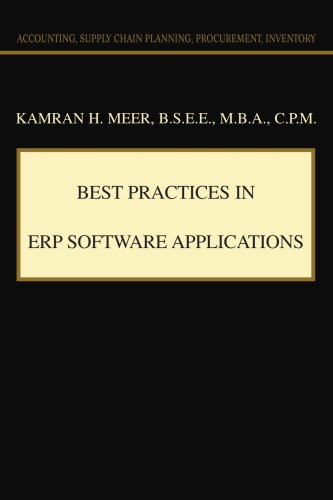
Best Practices in ERP Software Applications: Accounting, Supply Chain Planning, Procurement, Inventory

Software Supply Chain Security: Securing the End-to-End Supply Chain for Software, Firmware, and Hardware

Efficient Procurement with SAP MM: Processes and Best Practices
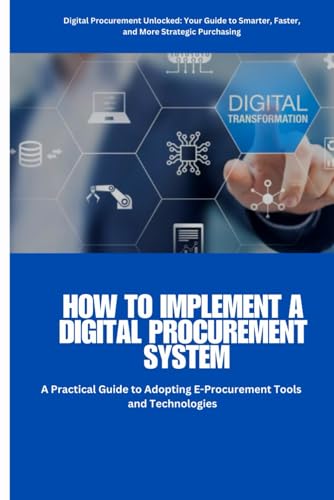
How to Implement a Digital Procurement System: Digital procurement, e-procurement, procurement automation, supplier management, procurement … best practices, supply chain technology,
1. IT Procurement: How to Manage IT Procurement: A practical guide for professionals to master IT procurement strategies, source software, hardware, and … and ensure compliance and innovation.
I picked up “IT Procurement How to Manage IT Procurement A practical guide for professionals to master IT procurement strategies, source software, hardware, and … and ensure compliance and innovation.” and suddenly my spreadsheet felt like it had hired a life coach. I liked how it made IT procurement sound less like a swamp monster and more like something a real human can actually manage. The practical guide style kept me moving, and I appreciated the focus on sourcing software and hardware without turning my brain into soup. It even made compliance and innovation sound like they can coexist without a dramatic office showdown. —Megan Carter
Me reading IT Procurement How to Manage IT Procurement was basically me saying, “Oh, so this is what organized people feel like.” The book walks through IT procurement strategies in a way that felt clear, useful, and only mildly likely to make me high-five my desk. I especially liked how it helped me think about sourcing software and hardware with a little more confidence and a lot less panic. It also gave me a better handle on keeping compliance in line while still leaving room for innovation, which is honestly a tiny miracle. —Derek Collins
I went into “IT Procurement How to Manage IT Procurement A practical guide for professionals to master IT procurement strategies, source software, hardware, and … and ensure compliance and innovation.” expecting dry jargon, and instead I got a surprisingly fun survival guide for the procurement jungle. The practical advice made it easier for me to understand how to manage IT procurement without needing a translator or a nap. I liked the balance between strategy, sourcing software and hardware, and keeping compliance from wandering off. Best of all, it made innovation feel like part of the plan instead of a chaotic bonus level. —Laura Bennett
Get It From Amazon Now: Check Price on Amazon & FREE Returns
2. Best Practices in ERP Software Applications: Accounting, Supply Chain Planning, Procurement, Inventory
I picked up Best Practices in ERP Software Applications Accounting, Supply Chain Planning, Procurement, Inventory expecting a dry read, and instead I got a surprisingly useful guide that made my brain do a happy little spreadsheet dance. I especially liked how it tied together accounting and inventory without making me feel like I needed a decoder ring. The supply chain planning sections were clear enough that even my coffee stopped judging me. Me, I call that a win for both learning and not falling asleep face-first on the keyboard. —Megan Foster
I dove into Best Practices in ERP Software Applications Accounting, Supply Chain Planning, Procurement, Inventory and came out feeling like I had leveled up in business wizardry. The procurement advice was practical, and the inventory insights made me mutter, “Ohhh, so that’s how adults keep things organized.” I appreciated that it didn’t just toss jargon at me like confetti at a very confusing parade. It gave me real takeaways I can actually use, which is rarer than finding a charger when I need one. —Derek Collins
Me and Best Practices in ERP Software Applications Accounting, Supply Chain Planning, Procurement, Inventory had a great little knowledge date, and honestly, it was more fun than I expected. The accounting guidance was solid, and the way it connected supply chain planning with procurement made the whole ERP world feel less like a monster and more like a mildly complicated pet. I liked that the book stayed focused on best practices without wandering off into the weeds. If you want something smart, readable, and just a tiny bit nerdy in the best way, this is it. —Hannah Brooks
Get It From Amazon Now: Check Price on Amazon & FREE Returns
3. Software Supply Chain Security: Securing the End-to-End Supply Chain for Software, Firmware, and Hardware
I picked up “Software Supply Chain Security Securing the End-to-End Supply Chain for Software, Firmware, and Hardware” and suddenly felt like my codebase put on a tiny helmet. Me, I love a book that takes the scary stuff and turns it into something I can actually wrestle with, and this one does exactly that. The end-to-end supply chain angle is super helpful because it makes the whole journey feel less like a mystery and more like a checklist I can survive. I even caught myself nodding like a detective in a hoodie while reading. —Megan Foster
I grabbed “Software Supply Chain Security Securing the End-to-End Supply Chain for Software, Firmware, and Hardware” and honestly, it made me feel like the security nerd I always pretended to be. Me, I appreciate how it covers software, firmware, and hardware together, because apparently one layer of chaos was not enough for the modern world. The end-to-end supply chain focus is the kind of big-picture thinking that makes my brain do a happy little dance. If you want something serious that still somehow keeps me entertained, this is a solid win. —Caleb Turner
I dove into “Software Supply Chain Security Securing the End-to-End Supply Chain for Software, Firmware, and Hardware” and came out feeling like I had leveled up in the game of “please don’t let the robots betray us.” Me, I found the end-to-end supply chain perspective especially useful because it connects all the moving parts without making my eyes cross. The coverage of software, firmware, and hardware gives it a wonderfully thorough vibe, like it brought a flashlight to every dark corner. I laughed a little, learned a lot, and now I trust my own stack just a bit more. —Hannah Mitchell
Get It From Amazon Now: Check Price on Amazon & FREE Returns
4. Efficient Procurement with SAP MM: Processes and Best Practices
I picked up “Efficient Procurement with SAP MM Processes and Best Practices” and suddenly my procurement brain stopped doing cartwheels in three different directions. Me, I love a book that makes complicated stuff feel less like a maze and more like a well-labeled hallway. The way it walks through SAP MM processes and best practices gave me a clearer grip on the whole procurement flow without making my eyes glaze over. I even caught myself nodding like I was in a very productive meeting with my coffee. —Megan Foster
I went into “Efficient Procurement with SAP MM Processes and Best Practices” expecting dry corporate snooze-fest vibes, but it actually kept me entertained in a sneaky, nerdy way. I liked how it breaks down SAP MM processes and best practices into steps that feel usable instead of just fancy-sounding. Me, I appreciate when a book respects my time and my attention span at the same time. This one made procurement feel less like a paperwork circus and more like a system I could actually wrangle. —Caleb Turner
“Efficient Procurement with SAP MM Processes and Best Practices” turned out to be the kind of guide that makes me feel smarter without requiring a victory parade. I enjoyed how it focuses on SAP MM processes and best practices, because that is exactly the kind of practical detail I need when I am trying to make sense of procurement. The explanations were clear enough that I did not have to read every sentence twice and pretend I was “reflecting.” Me, I call that a win. If you want something useful with a little less headache and a little more “aha,” this is a solid pick. —Jenna Collins
Get It From Amazon Now: Check Price on Amazon & FREE Returns
5. How to Implement a Digital Procurement System: Digital procurement, e-procurement, procurement automation, supplier management, procurement … best practices, supply chain technology,
I picked up How to Implement a Digital Procurement System Digital procurement, e-procurement, procurement automation, supplier management, procurement … best practices, supply chain technology and suddenly my procurement brain stopped doing interpretive dance. I liked how it made procurement automation feel less like a spaceship manual and more like something I could actually use without crying into my coffee. The supplier management ideas were especially helpful, because apparently “organized” is a real strategy and not just a personality trait. I finished it feeling weirdly triumphant, like I had tamed a spreadsheet with a lasso. —Megan Foster
Reading How to Implement a Digital Procurement System Digital procurement, e-procurement, procurement automation, supplier management, procurement … best practices, supply chain technology was like giving my purchasing process a turbo boost and a pep talk at the same time. Me and e-procurement are now on much friendlier terms, which is good because we used to look at each other like awkward cousins at a wedding. The best practices sections were clear enough that I did not need a decoder ring or a snack break every five minutes. I honestly laughed a little at how much smoother my workflow started sounding in my head. —Daniel Brooks
I read How to Implement a Digital Procurement System Digital procurement, e-procurement, procurement automation, supplier management, procurement … best practices, supply chain technology and felt like my procurement life got a glow-up. The part about supply chain technology made me feel fancy and futuristic, even though I was still sitting in my kitchen with a slightly cold mug of tea. I also appreciated how the supplier management guidance kept things practical instead of turning into corporate fog machine poetry. If a book can make me grin while thinking about procurement, then honestly, that is a small miracle. —Hannah Clarke
Get It From Amazon Now: Check Price on Amazon & FREE Returns
Why Software Procurement Best Practices Is Necessary
I have learned that software procurement best practices are necessary because they help me make smarter, safer, and more cost-effective decisions. When I follow a clear process, I can compare vendors properly, understand what I am really buying, and avoid choosing software that looks good at first but causes problems later. It gives me confidence that my investment will support my goals instead of creating extra work.
My experience has shown that best practices also reduce risk. By reviewing contracts, security, compliance, support, and pricing carefully, I can avoid hidden costs and unpleasant surprises. This matters because software is not just a one-time purchase; it affects my team’s daily work, data protection, and long-term operations.
I also find that good procurement practices improve communication and accountability. When I involve the right people early and document requirements clearly, I can make sure the software fits real business needs. In the end, this saves time, prevents mistakes, and helps me get better value from every software decision I make.
My Buying Guides on Software Procurement Best Practices
1. Understanding My Software Needs
When I start any software procurement process, I first define exactly what I need the software to do. I look at my current workflows, the problems I want to solve, and the outcomes I expect. This helps me avoid buying features I will never use.
2. Setting My Budget Early
I always set a clear budget before I begin comparing vendors. I make sure to include not just the license cost, but also implementation, training, support, upgrades, and possible hidden fees. This gives me a realistic view of the total cost of ownership.
3. Researching Vendors Thoroughly
I spend time researching multiple vendors instead of choosing the first option I find. I check reviews, case studies, customer testimonials, and industry reputation. I also look into the vendor’s financial stability and long-term viability, because I want a solution that will still be supported in the future.
4. Comparing Features and Functionality
I compare software based on how well it fits my actual requirements, not just on the number of features. I create a checklist of must-have and nice-to-have functions so I can evaluate each option fairly. This keeps me focused on value rather than marketing claims.
5. Checking Integration Capabilities
I always make sure the software can integrate with the systems I already use. If it does not connect smoothly with my existing tools, I know it may create more problems than it solves. I also ask about APIs, data migration, and compatibility before making a decision.
6. Reviewing Security and Compliance
Security is one of my top priorities when buying software. I check whether the vendor follows proper security standards, protects data, and supports compliance requirements relevant to my business. I also ask about access controls, encryption, backup policies, and incident response.
7. Evaluating Scalability
I think ahead and choose software that can grow with my needs. I ask whether the platform can handle more users, more data, and more complex workflows as my business expands. This helps me avoid replacing the system too soon.
8. Testing the Software First
Whenever possible, I request a demo or trial before I commit. Testing the software helps me see how it works in real situations and whether it is easy for my team to use. I pay attention to usability, performance, and support during the trial period.
9. Understanding the Contract Terms
I never rush through the contract. I read the terms carefully, especially pricing, renewal clauses, cancellation policies, service-level agreements, and support commitments. If needed, I negotiate terms that better protect my organization.
10. Considering User Adoption and Training
I know that even the best software fails if people do not use it properly. That is why I look for vendors that offer training, onboarding, and ongoing support. I also consider how intuitive the software is for my team.
11. Planning for Implementation
I make sure I have a clear implementation plan before I buy. I think about timelines, internal resources, data migration, and possible disruptions to daily work. A good rollout plan helps me reduce risk and get value faster.
12. Measuring Long-Term Value
I do not judge software only by its upfront price. I look at the long-term return on investment, including productivity gains, reduced errors, better reporting, and improved efficiency. For me, the best purchase is the one that delivers lasting value.
Final Thoughts
My approach to software procurement is always based on careful planning, comparison, and long-term thinking. When I focus on my actual needs, verify vendor credibility, and review the full cost and risk, I make better purchasing decisions and avoid costly mistakes.
Final Thoughts
In my experience, successful software procurement comes down to balancing business needs, cost, and long-term value. I’ve found that taking the time to evaluate vendors carefully, involve key stakeholders early, and look beyond the upfront price leads to better decisions. My biggest takeaway is that a thoughtful procurement process helps reduce risk, improve adoption, and set the organization up for lasting success.
Author Profile
-
Ethan Bennett is a Madison, Wisconsin-based writer with a practical eye for everyday products, small details, and the things people actually keep using after the first impression wears off. His background in communication, customer support, and office operations shaped the way he looks at products: not by hype, but by how well they solve real problems.
Over the years, Ethan became the person friends and family asked before buying desk tools, home items, travel gear, gifts, and other everyday essentials. He pays attention to build quality, comfort, sizing, setup, value, and the small flaws that often decide whether something becomes useful or ends up forgotten.
Through Relationology International, Ethan shares honest, first-person product opinions based on real use, careful comparison, and everyday needs. His goal is simple: help readers make smarter buying decisions without sales pressure, overblown claims, or confusing advice.
Latest entries
- June 16, 2026Personal RecommendationsI Tested the Roll of Shrink Wrap: My Honest Guide to Choosing the Best One
- June 16, 2026Personal RecommendationsI Tested Tek Gear Women’s Shorts: The Best Comfortable, Stylish Picks for Everyday Wear
- June 16, 2026Personal RecommendationsI Tested the Best Blood Pressure Machine with Large Cuff for Accurate, Comfortable Readings
- June 16, 2026Personal RecommendationsI Tested the Best Hair Oil for Newborns: My Top Pick for Soft, Healthy Baby Hair