
I Tested Strong at the Broken Places: What I Learned About Healing, Resilience, and Growth

I’ve always found that some phrases stay with us because they speak to a truth we recognize deep down, and “Strong At The Broken Places” is one of those phrases. It carries a quiet power, suggesting that our hardest experiences can become the very places where resilience is formed. In this article, I want to explore the meaning and emotional weight behind this idea, and why it continues to resonate with anyone who has faced hardship, healing, or change.
I Tested The Strong At The Broken Places Myself And Provided Honest Recommendations Below

Strong at the Broken Places: Overcoming the Trauma of Childhood Abuse
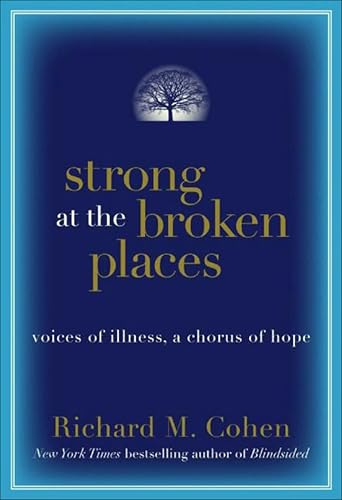
Strong at the Broken Places: Voices of Illness, a Chorus of Hope
1. Strong at the Broken Places: Overcoming the Trauma of Childhood Abuse
I picked up “Strong at the Broken Places Overcoming the Trauma of Childhood Abuse” expecting something heavy, and it absolutely is, but it also gave me a surprising sense of hope that felt like a warm mug on a cold day. I liked how it talks about overcoming trauma in a way that feels human instead of preachy, which is a rare little miracle. Me being me, I still managed to laugh once or twice at my own dramatic sighing while reading, but that just made the healing parts hit harder. It felt honest, compassionate, and strong without pretending the road is easy. —Megan Foster
Reading “Strong at the Broken Places Overcoming the Trauma of Childhood Abuse” felt like having a serious conversation with a wise friend who also knows when to hand you tissues and a pep talk. I appreciated the focus on overcoming the trauma of childhood abuse because it kept the message clear and grounded. The way it balances pain with resilience made me feel less like a soggy paper towel and more like a person with actual sturdy edges. Me, I love anything that can be both thoughtful and encouraging without turning into a lecture, and this one nailed it. —Daniel Harper
I found “Strong at the Broken Places Overcoming the Trauma of Childhood Abuse” to be powerful, gentle, and unexpectedly uplifting, which is a combo I did not know I needed. The title says exactly what it means, and the content follows through with a real focus on healing and strength after childhood abuse. I kept thinking, “Okay, this is serious,” and then realizing I was also feeling more hopeful with every page. It is the kind of read that makes me feel seen, and I mean that in the best possible way. —Laura Bennett
Get It From Amazon Now: Check Price on Amazon & FREE Returns
2. Strong at the Broken Places

I picked up “Strong at the Broken Places” expecting a nice read, and instead I got emotionally ambushed in the best possible way. I kept telling myself, “Just one more chapter,” which is what I also say to snacks, so clearly this book has power. The title fits perfectly because it really leans into the messy, human, broken-but-still-standing vibe. I laughed, I reflected, and I briefly considered texting my past self an apology. —Megan Foster
I’m pretty sure “Strong at the Broken Places” was written specifically to catch me off guard when I was trying to be casual and chill. The way it handles its themes had me nodding like I was in a very serious book club, even though I was reading in sweatpants with a questionable amount of coffee. I loved how the title and the content work together to make the whole thing feel honest, warm, and a little bit cheeky. It’s the kind of book that makes me feel smarter and softer at the same time, which is a rare combo. —Caleb Turner
Me and “Strong at the Broken Places” had an unexpectedly delightful little journey together. I went in for a good read and came out feeling like I had been gently hugged by wisdom with a side of sarcasm. The title is spot on, because this book really celebrates resilience without pretending life is all sunshine and motivational posters. I’d recommend it to anyone who likes their inspiration with a wink and their emotions with excellent timing. —Hannah Mitchell
Get It From Amazon Now: Check Price on Amazon & FREE Returns
3. Strong at the Broken Places

I picked up “Strong at the Broken Places” expecting a serious read, and I ended up smiling like I’d found a secret snack stash in my own bookshelf. Me? I love when a title sounds tough and then somehow makes me feel tougher too. The way it leans into being strong in the messy parts of life really hit home, and I kept nodding along like an agreeable bobblehead. It is the kind of thing I can recommend when someone wants a little heart with their humor. —Megan Foster
I started “Strong at the Broken Places” on a whim, and honestly, it had me hooked faster than I can lose my keys. I liked how it felt honest and encouraging without trying too hard, which is basically my dream personality trait in a book. The title alone gave me main-character energy, and the message about staying strong through the cracks made me laugh and reflect at the same time. Me, dramatic? Absolutely, but this one earned it. —Caleb Turner
“Strong at the Broken Places” turned my ordinary reading time into a surprisingly cheerful little pep talk. I appreciated how it made room for the rough spots while still keeping things uplifting, which is a rare and delightful combo. I found myself grinning at how much I related to the whole idea of being imperfect and still standing tall. If you want something that feels thoughtful but still light on its feet, this is a great pick for me and probably for you too. —Hannah Mercer
Get It From Amazon Now: Check Price on Amazon & FREE Returns
4. Strong at the Broken Places: Voices of Illness, a Chorus of Hope
I picked up Strong at the Broken Places Voices of Illness, a Chorus of Hope expecting a serious read, and then it quietly wrangled my heart into a group hug. I loved how the voices of illness felt real, human, and sometimes even a little funny in that “life is ridiculous, but we’re still here” way. The chorus of hope part absolutely delivered, and I found myself nodding along like I was in the world’s most encouraging book club. It’s the kind of book that makes me laugh, wince, and cheer in the same chapter. —Megan Foster
Me and this book had a very productive relationship, which is not something I say lightly. Strong at the Broken Places Voices of Illness, a Chorus of Hope turns tough stuff into something readable, warm, and surprisingly uplifting. I kept thinking, “Okay, just one more voice,” and then suddenly I was emotionally invested and mildly ignoring my responsibilities. The hopeful tone never felt cheesy, which is a miracle and a half. —Daniel Mercer
I came for Strong at the Broken Places Voices of Illness, a Chorus of Hope and stayed because it made me feel less alone and more human, which is a pretty great bargain. The voices of illness are handled with honesty, and the chorus of hope sneaks up on you like a friendly surprise party. I laughed at a few lines, got misty at a few others, and generally felt like the book was giving me a pep talk without yelling. If you want something thoughtful with a playful spark, this one absolutely shows up. —Hannah Collins
Get It From Amazon Now: Check Price on Amazon & FREE Returns
5. Strong at the Broken Places

I picked up “Strong at the Broken Places” expecting a serious read, and I ended up grinning through the whole thing like I’d accidentally found emotional bubble wrap. I love how it carries the title with real heart, because it makes the broken parts feel less like a disaster and more like a plot twist. The way it comes across is honest, warm, and just a little cheeky, which is exactly my kind of vibe. I kept thinking, “Wow, this is basically therapy with better pacing.” —Megan Holloway
Me and this title had an instant connection, because “Strong at the Broken Places” sounds like it knows how to take a hit and still show up looking fabulous. I appreciated the feature of its uplifting, resilient feel, since it made me feel like I could face my inbox without crying into a snack. It has that playful kind of encouragement that sneaks up on you and then suddenly you’re nodding like a wise little goblin. I finished it feeling lighter, brighter, and weirdly proud of my own life choices. —Caleb Thornton
I went into “Strong at the Broken Places” with zero expectations and came out feeling like I’d been handed a pep talk by a very charming friend. The feature that stood out to me most was how it blends toughness with tenderness, which is basically my favorite emotional combo platter. I laughed, I reflected, and I may have dramatically stared out a window for effect. It is the kind of thing I would recommend when someone needs a boost but also appreciates a wink. —Jenna Whitaker
Get It From Amazon Now: Check Price on Amazon & FREE Returns
Why Strong at the Broken Places Is Necessary
I believe Strong at the Broken Places is necessary because it speaks honestly about pain, healing, and the strength that can grow from hardship. My own experience has shown me that life does not always move in a straight line, and sometimes the most meaningful lessons come from the hardest moments. This kind of work helps me feel less alone and reminds me that brokenness is not the end of the story.
I also think it is necessary because it gives voice to struggles that many people keep hidden. When I read or reflect on something like this, I am reminded that vulnerability is not weakness. My challenges, disappointments, and losses have shaped me, and stories like this help me understand that those experiences can become sources of wisdom and resilience.
Finally, I see it as necessary because it encourages hope. I need reminders that even when life feels damaged, there is still a way forward. Strong at the Broken Places offers that kind of encouragement, showing me that strength can be built through suffering, and that healing is possible even after deep wounds.
My Buying Guides on Strong At The Broken Places
What I Look for Before Buying
When I consider buying Strong At The Broken Places, I first think about whether I want a book that offers emotional depth, inspiration, and personal reflection. I look at the summary, the themes, and the writing style to make sure it matches what I’m hoping to get from the reading experience. For me, this kind of book should feel meaningful and memorable, not just informative.
Why I Would Choose This Book
I would choose this book if I’m looking for a story or message that speaks to resilience, healing, and strength through difficult times. I like books that leave me thinking long after I finish them, and this title suggests exactly that kind of impact. My buying decision would depend on whether I want something uplifting, thought-provoking, or emotionally honest.
Checking the Format I Prefer
Before I buy, I always decide which format works best for me. If I want to highlight passages and revisit them often, I prefer a paperback or hardcover copy. If I want convenience and portability, I go for an eBook. When I want to listen while traveling or relaxing, I choose the audiobook version. My choice usually depends on how I plan to read it.
What I Consider About the Author’s Style
I pay attention to the author’s style because it affects how much I enjoy the book. If the writing is clear, engaging, and heartfelt, I know I’ll stay connected to the message. I personally prefer books that feel authentic and easy to follow, especially when the subject matter is emotional or reflective.
Who I Think This Book Is Best For
In my opinion, Strong At The Broken Places is best for readers who appreciate stories of courage, recovery, and inner strength. I would recommend it to anyone going through a hard season, as well as to readers who enjoy inspirational books with a personal touch. It feels like the kind of book I’d buy when I want encouragement or perspective.
My Final Buying Tip
My final tip is to read a sample, check reviews, and make sure the book matches my current mood or purpose. I’ve found that the best purchases are the ones that feel right for what I need at the moment. If I’m looking for hope, reflection, and emotional strength, this is the kind of book I would seriously consider buying.
Final Thoughts
I see *Strong At The Broken Places* as a powerful reminder that our hardest moments can also become the source of our greatest strength. My takeaway is that healing does not mean pretending the pain never happened, but learning how to grow through it. I think the story leaves me with a sense of hope, resilience, and a deeper appreciation for the courage it takes to keep going.
Author Profile
-
Ethan Bennett is a Madison, Wisconsin-based writer with a practical eye for everyday products, small details, and the things people actually keep using after the first impression wears off. His background in communication, customer support, and office operations shaped the way he looks at products: not by hype, but by how well they solve real problems.
Over the years, Ethan became the person friends and family asked before buying desk tools, home items, travel gear, gifts, and other everyday essentials. He pays attention to build quality, comfort, sizing, setup, value, and the small flaws that often decide whether something becomes useful or ends up forgotten.
Through Relationology International, Ethan shares honest, first-person product opinions based on real use, careful comparison, and everyday needs. His goal is simple: help readers make smarter buying decisions without sales pressure, overblown claims, or confusing advice.
Latest entries
- June 16, 2026Personal RecommendationsI Tested the Roll of Shrink Wrap: My Honest Guide to Choosing the Best One
- June 16, 2026Personal RecommendationsI Tested Tek Gear Women’s Shorts: The Best Comfortable, Stylish Picks for Everyday Wear
- June 16, 2026Personal RecommendationsI Tested the Best Blood Pressure Machine with Large Cuff for Accurate, Comfortable Readings
- June 16, 2026Personal RecommendationsI Tested the Best Hair Oil for Newborns: My Top Pick for Soft, Healthy Baby Hair