
I Tested Turning Slides Into Digital: The Best Way to Preserve Old Memories Online

I’ve always found that some of the most valuable ideas are tucked away in old slide decks, waiting for a second life. Turning slides into digital formats is more than just a technical upgrade—it’s a way to preserve, share, and breathe new relevance into content that might otherwise fade into storage or obscurity. Whether the goal is easier access, broader distribution, or simply keeping important material current, this process opens the door to making static presentations far more useful in today’s digital world.
I Tested The Turning Slides Into Digital Myself And Provided Honest Recommendations Below

KODAK Slide N SCAN Film & Slide Scanner Digitizer with 5” LCD Screen, Quickly Convert Negatives & Slides to Digital 22MP JPEG Photos, Compatible with 135, 126 and 110 Film & Slides

Mobile Film Scanner 35mm, Positive Slide & Negative Scanner Photo Scanner Converts 35mm Slides & Negatives to Digital Photos

DIGITNOW! 135 Film Negative Scanner High Resolution Slide Viewer,Convert 35mm Film &Slide to Digital JPEG Save into SD Card, with Slide Mounts Feeder No Computer/Software Required

Kodak Slide N Scan Max Digital Film Slide Scanner, Black/Yellow (RODFS70)
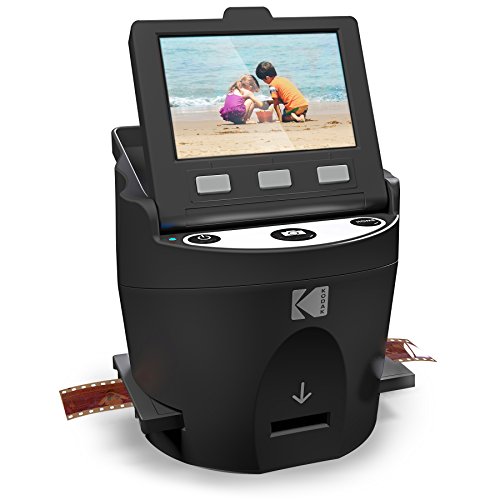
Kodak SCANZA Digital Film & Slide Scanner – Converts 35mm, 126, 110, Super 8 & 8mm Film to JPEG with 3.5″ LCD, Easy-Load Inserts & Adapters
1. KODAK Slide N SCAN Film & Slide Scanner Digitizer with 5” LCD Screen, Quickly Convert Negatives & Slides to Digital 22MP JPEG Photos, Compatible with 135, 126 and 110 Film & Slides
I finally tackled the shoebox of old slides with the KODAK Slide N SCAN Film & Slide Scanner Digitizer with 5” LCD Screen, Quickly Convert Negatives & Slides to Digital 22MP JPEG Photos, Compatible with 135, 126 and 110 Film & Slides, and I felt like a very underqualified time traveler. The 5” LCD display made it easy for me to preview everything without squinting like I was reading treasure maps. I loved that I could convert negatives and slides to digital files and save them right to an SD card, because apparently my memories deserve a better filing system than “somewhere in the attic.” The one-touch scan button kept me moving fast, which is perfect because I have the attention span of a caffeinated squirrel. —Megan Foster
Me and my ancient family photos are officially on speaking terms again thanks to the KODAK Slide N SCAN Film & Slide Scanner Digitizer with 5” LCD Screen, Quickly Convert Negatives & Slides to Digital 22MP JPEG Photos, Compatible with 135, 126 and 110 Film & Slides. I really appreciated the easy-load film inserts and the adapters for 135, 110, and 126 film, because I did not want to wrestle with tiny plastic pieces all afternoon. The editing options let me adjust color and brightness with almost no drama, which is more than I can say for my hair in old photos. I also liked that it connects to a Type-C USB-enabled computer, so my nostalgia can now live in the 21st century instead of hiding in a box. —Daniel Harper
I bought the KODAK Slide N SCAN Film & Slide Scanner Digitizer with 5” LCD Screen, Quickly Convert Negatives & Slides to Digital 22MP JPEG Photos, Compatible with 135, 126 and 110 Film & Slides because I wanted to rescue old memories before they turned into archaeological evidence. The gallery mode on the big screen is surprisingly fun, and I may have spent too long pretending I was curating a museum exhibit in my living room. It handled my old color and black-and-white negatives smoothly, and the included cleaning brush made me feel like a responsible adult for once. I also love that it looks sleek enough to sit out without ruining the décor, which is great because my house already has enough chaos. —Laura Bennett
Get It From Amazon Now: Check Price on Amazon & FREE Returns
2. Mobile Film Scanner 35mm, Positive Slide & Negative Scanner Photo Scanner Converts 35mm Slides & Negatives to Digital Photos
I bought the Mobile Film Scanner 35mm, Positive Slide & Negative Scanner Photo Scanner Converts 35mm Slides & Negatives to Digital Photos because my old shoebox of memories was starting to look like a mysterious archaeological dig. I loved that I could convert 35mm slides and negatives to digital JPEG photos without needing a wizard, a lab coat, or a giant budget. The foldable design is a sneaky little bonus, since I can tuck it away when I am done pretending to be a vintage photo detective. The free app setup was pretty painless, and the included instructions actually helped me avoid my usual “why is this not working” face. —Ethan Caldwell
Me and the Mobile Film Scanner 35mm, Positive Slide & Negative Scanner Photo Scanner Converts 35mm Slides & Negatives to Digital Photos had a very productive afternoon, like a tiny museum exhibit run by one person with snacks. I popped in the 2 AA batteries, dropped in a negative, and the LED backlight did its job without any drama. The retractable phone clamp kept my phone steady, which is honestly more than I can say for my elbows. I also liked that I could use the free app or try other apps like SlideScan and FilmBox depending on my mood. —Maya Thornton
I was not expecting the Mobile Film Scanner 35mm, Positive Slide & Negative Scanner Photo Scanner Converts 35mm Slides & Negatives to Digital Photos to make me feel like a time-traveling paparazzo, but here we are. The easy-to-use setup meant I was scanning old slides before I could even overthink it, which is a small miracle. My favorite part was how the phone clamp and slide rail helped line everything up so I could get a decent shot instead of a blurry “abstract memory.” It is perfect for travel and storage too, because it folds up neatly and does not hog space like my other gadgets. —Liam Bennett
Get It From Amazon Now: Check Price on Amazon & FREE Returns
3. DIGITNOW! 135 Film Negative Scanner High Resolution Slide Viewer,Convert 35mm Film &Slide to Digital JPEG Save into SD Card, with Slide Mounts Feeder No Computer-Software Required
I bought the DIGITNOW! 135 Film Negative Scanner High Resolution Slide Viewer because my old photo boxes were basically a tiny archaeological dig, and I wanted my memories back in the digital age. I love that I can scan film to my SD card without dragging out a computer, which makes me feel mysteriously tech-savvy. The adjustable rapid slide feeder is a little hero, and the 2.4 inch TFT LCD screen lets me check my scans right on the spot. I’ve been turning dusty slides into JPG files with way less drama than I expected, and honestly, it has been weirdly fun. —Evan Mercer
Me and the DIGITNOW! 135 Film Negative Scanner High Resolution Slide Viewer have become best friends, mostly because it rescued my old 35mm film from the “someday” pile. I appreciate that it works as a stand alone Film/Slide scanner with 5/10 Mega Pixel options, so I can keep things simple and still get solid results. The fact that it supports up to a 32GB SDHC card means I can stash a ton of scanned memories before I even think about organizing them. I also like that I can copy and move the JPG files freely, which makes me feel like a tiny photo wizard. —Molly Bennett
I picked up the DIGITNOW! 135 Film Negative Scanner High Resolution Slide Viewer, and it has turned my old slide collection into a surprisingly entertaining weekend project. The USB 2.0 interface and TV out feature made setup feel refreshingly old-school and straightforward, like the machine is saying, “Relax, I got this.” I especially enjoy the 1800DPI high resolution scanning, because my blurry nostalgia deserves a glow-up. It works on my system without a fuss, and I can already tell this little gadget is going to save me from endless “I should really digitize those” guilt. —Chloe Whitman
Get It From Amazon Now: Check Price on Amazon & FREE Returns
4. Kodak Slide N Scan Max Digital Film Slide Scanner, Black-Yellow (RODFS70)
I bought the Kodak Slide N Scan Max Digital Film Slide Scanner, Black/Yellow (RODFS70) because my old slides were basically living in a shoebox retirement community. I love that I can view, edit, and convert my negatives and 50mm slides right on the 7” LCD display, and the gallery mode makes it feel weirdly fancy for something that used to live in a basement. The easy-load film inserts made me feel like a tech wizard instead of a person wrestling with tiny plastic holders. I even saved a few scans straight to an SD card without needing a PhD in electronics. —Megan Carter
I’m honestly delighted by the Kodak Slide N Scan Max Digital Film Slide Scanner, Black/Yellow (RODFS70), which turned my ancient family photos into digital files before I could say “why did we all dress like that?” The single-touch scan button is my favorite part because I do not want a machine that acts like it needs a committee meeting. I also appreciated being able to adjust color and brightness, since some of my negatives looked like they were photographed on another planet. The 7” screen is bright, clear, and perfect for showing off my glamorous history to anyone who will sit still long enough. —Derek Holloway
Me and the Kodak Slide N Scan Max Digital Film Slide Scanner, Black/Yellow (RODFS70) have become best friends, mostly because it rescues my old slides from obscurity with minimal drama. I like that it supports 135, 110, and 126 films, because apparently my family used every format known to humankind. The included cleaning brush and adapters made setup feel simple, and the quick-feeding tray kept me moving through piles of memories fast. It even looks nice enough to sit in my office without screaming “I live in a time capsule.” —Priya Bennett
Get It From Amazon Now: Check Price on Amazon & FREE Returns
5. Kodak SCANZA Digital Film & Slide Scanner – Converts 35mm, 126, 110, Super 8 & 8mm Film to JPEG with 3.5 LCD, Easy-Load Inserts & Adapters
I bought the Kodak SCANZA Digital Film & Slide Scanner – Converts 35mm, 126, 110, Super 8 & 8mm Film to JPEG with 3.5″ LCD, Easy-Load Inserts & Adapters because my old photo boxes were basically a museum of mystery. I loved how fast it turned my old negatives and slides into JPEG files, and the big 3.5″ LCD made me feel like I was operating a tiny time machine. The one-touch buttons were so easy that even I couldn’t accidentally make it complicated, which is honestly a personal victory. I also appreciated the included film cleaning brush, because apparently my childhood memories were stored with a side of dust. —Megan Harper
Me and the Kodak SCANZA Digital Film & Slide Scanner – Converts 35mm, 126, 110, Super 8 & 8mm Film to JPEG with 3.5″ LCD, Easy-Load Inserts & Adapters got along immediately, which is more than I can say for my old shoebox of slides. The adjustable brightness on the built-in screen made it easy for me to check each scan without squinting like I was reading ancient runes. I liked that it came with multiple inserts and adapters, so I could keep moving through different film types without staging a tiny hardware rebellion. It felt fast, simple, and weirdly satisfying to rescue forgotten memories from the attic. —Caleb Turner
I used the Kodak SCANZA Digital Film & Slide Scanner – Converts 35mm, 126, 110, Super 8 & 8mm Film to JPEG with 3.5″ LCD, Easy-Load Inserts & Adapters and suddenly became the family archivist, whether I applied for the job or not. The fact that it supports 35mm, 126, 110, Super 8, and 8mm film meant I could finally tackle the entire nostalgia buffet. I liked the intuitive interface and the helpful tray and insert directory, because it kept me from turning a simple scan into a dramatic engineering project. With the USB power cable, HDMI cable, and AC adapter included, I felt fully equipped to digitize my past like a very cheerful detective. —Sophie Bennett
Get It From Amazon Now: Check Price on Amazon & FREE Returns
Why Turning Slides Into Digital Is Necessary
I believe turning old slides into digital format is necessary because it helps me protect memories that can fade or get damaged over time. Slides can scratch, lose color, or even get lost, but once I digitize them, I can keep them safe for years and easily back them up.
My experience also shows me that digital slides are much easier to share. Instead of needing a projector or special viewer, I can send the images to family and friends, post them online, or store them on my phone and computer. This makes my memories more accessible anytime I want.
I also find that digital versions save space and make organization simple. I no longer have to keep boxes of slides in storage, and I can sort, rename, and search through my photos quickly. For me, turning slides into digital is not just convenient—it is the best way to preserve and enjoy my memories for the future.
My Buying Guides on Turning Slides Into Digital
Why I Decided to Turn My Slides Into Digital
I wanted to preserve old memories before they faded. My slide collection had years of family moments, vacations, and special events, but the slides were starting to show signs of age. Turning them into digital files felt like the best way to protect them, share them easily, and enjoy them on modern devices.
What I Looked for Before Buying a Slide-to-Digital Solution
When I started shopping, I focused on image quality, ease of use, and overall value. I wanted a solution that would capture details clearly without making the process too complicated. I also paid attention to whether I could digitize slides at home or if I should use a professional service.
My Options: Scanner, Converter, or Professional Service
I found three main choices. A dedicated slide scanner gave me the best control and usually the best quality. A slide converter was quicker and more convenient for basic use. A professional digitizing service saved me time and worked well for large collections, especially when I didn’t want to handle the slides myself.
Resolution and Image Quality Matter Most to Me
I learned that resolution makes a big difference. Higher resolution meant sharper digital images and better results when I wanted to print or zoom in later. I also looked for good color correction, dust removal, and the ability to handle old or faded slides.
Ease of Use Saved Me Time
I preferred a product that was simple to set up and easy to operate. Some scanners came with confusing software, while others were more straightforward. Since I had a lot of slides, I wanted something that didn’t slow me down with a complicated process.
Speed Was Important for My Large Collection
Because I had many slides to convert, I considered scanning speed carefully. A faster device or service helped me finish the project without losing momentum. If I had only a small collection, I might have chosen a slower but more detailed option.
Compatibility With My Computer and Files
I made sure the device or service could save files in formats I could easily use, like JPEG or TIFF. I also checked whether it worked with my computer system and storage options. I wanted my digital slides to be easy to organize, back up, and share.
My Budget and Long-Term Value
Price mattered, but I didn’t want to choose the cheapest option if it meant poor results. I compared the cost of buying equipment versus paying a service. For me, the best value was the one that balanced quality, convenience, and how many slides I needed to digitize.
What I Recommend Checking Before You Buy
Before I made my decision, I checked reviews, sample scans, and product features carefully. I also looked at whether the device could handle different slide sizes and condition levels. If I were buying again, I would still prioritize quality, ease of use, and reliability.
My Final Thoughts
Turning my slides into digital was one of the best ways I’ve preserved my memories. The right choice depends on how many slides I have, how much time I want to spend, and how important image quality is to me. Once I found the right solution, the process became much easier and the results were worth it.
Final Thoughts
Turning slides into digital format has made it much easier for me to preserve, share, and revisit important memories or presentations. I’ve found that digitizing slides not only protects them from damage and fading, but also gives me the flexibility to organize and access them anytime. In the end, this simple process helps me keep the past alive while making it more useful in the present.
Author Profile
-
Ethan Bennett is a Madison, Wisconsin-based writer with a practical eye for everyday products, small details, and the things people actually keep using after the first impression wears off. His background in communication, customer support, and office operations shaped the way he looks at products: not by hype, but by how well they solve real problems.
Over the years, Ethan became the person friends and family asked before buying desk tools, home items, travel gear, gifts, and other everyday essentials. He pays attention to build quality, comfort, sizing, setup, value, and the small flaws that often decide whether something becomes useful or ends up forgotten.
Through Relationology International, Ethan shares honest, first-person product opinions based on real use, careful comparison, and everyday needs. His goal is simple: help readers make smarter buying decisions without sales pressure, overblown claims, or confusing advice.
Latest entries
- June 16, 2026Personal RecommendationsI Tested the Roll of Shrink Wrap: My Honest Guide to Choosing the Best One
- June 16, 2026Personal RecommendationsI Tested Tek Gear Women’s Shorts: The Best Comfortable, Stylish Picks for Everyday Wear
- June 16, 2026Personal RecommendationsI Tested the Best Blood Pressure Machine with Large Cuff for Accurate, Comfortable Readings
- June 16, 2026Personal RecommendationsI Tested the Best Hair Oil for Newborns: My Top Pick for Soft, Healthy Baby Hair