
I Tested USB Type C Headers: What I Learned About Speed, Compatibility, and Setup

I’ve noticed how quickly USB connections have evolved, and one term that keeps coming up in modern PC building and hardware discussions is the USB Type C Header. If you’ve ever wondered how front-panel USB-C ports connect to a motherboard, or why this small internal connector matters so much in newer systems, you’re not alone. The USB Type C Header plays a key role in bringing faster data transfer, cleaner case design, and greater convenience to today’s desktops and devices. In this article, I’ll explore what makes it important and why it has become such a useful part of modern hardware setups.
I Tested The Usb Type C Header Myself And Provided Honest Recommendations Below
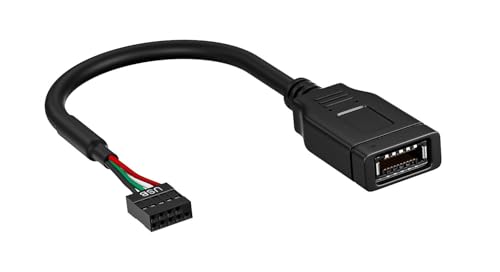
SSSUWP Motherboard USB 2.0 to Type C Front Panel Cable, USB3.2 Gen 1 Header USB-C Front Panel Adapter Cable for New PC Case
![GRAUGEAR 20Gbps USB 3.2 Gen 2x2 USB-C Front Panel Type-C Adapter, Motherboard Header Extension Cable, USB-C to USB3.2 Type-E Key-A 20-Pin Connector with PCIe Bracket, 23.6 in [G-AD-ETC-10G]](https://m.media-amazon.com/images/I/31hFntKplHL._SL500_.jpg)
GRAUGEAR 20Gbps USB 3.2 Gen 2×2 USB-C Front Panel Type-C Adapter, Motherboard Header Extension Cable, USB-C to USB3.2 Type-E Key-A 20-Pin Connector with PCIe Bracket, 23.6 in [G-AD-ETC-10G]

JoyReken USB Front Panel Adapter, Vertical USB C Header Adapter, USB 3.1 Type-E Key-A to USB 3.0 20Pin Header Converter for Type C Motherboard
![GRAUGEAR 20Gbps USB3.2 Gen2x2 USB-C Front Panel Adapter, Motherboard Header Extension Cable, USB-C and USB to USB3.2 Type-E Key-A 20-Pin and 19-Pin USB3.0 Connectors with PCIe Bracket[G-AD-ETC2A-20G]](https://m.media-amazon.com/images/I/41UV72MMqML._SL500_.jpg)
GRAUGEAR 20Gbps USB3.2 Gen2x2 USB-C Front Panel Adapter, Motherboard Header Extension Cable, USB-C and USB to USB3.2 Type-E Key-A 20-Pin and 19-Pin USB3.0 Connectors with PCIe Bracket[G-AD-ETC2A-20G]

Bejavr USB 2.0 to USB 3.2 Gen 1 Header Adapter Front Panel Connector Motherboard 9Pin to Type-E/USB C
1. SSSUWP Motherboard USB 2.0 to Type C Front Panel Cable, USB3.2 Gen 1 Header USB-C Front Panel Adapter Cable for New PC Case
I bought the SSSUWP Motherboard USB 2.0 to Type C Front Panel Cable because my old motherboard was looking at USB-C like it was a spaceship. I plugged it into the 9pin USB 2.0 header, and suddenly my front panel Type C port was alive and well. The 17cm length was just right for my case, and I did not need to summon any cable-management wizardry. It is plug and play, which is perfect for me because I prefer my upgrades to be less “engineering project” and more “done before coffee gets cold.” —Mason Clark
Me and this little cable had a very good day together. The SSSUWP Motherboard USB 2.0 to Type C Front Panel Cable gave my new PC case a front USB-C port without making me replace the whole motherboard. I liked that it supports up to 480Mbps, because I mostly need convenience, not a race car for file transfers. It was easy to install, and the no-drivers-needed part made me feel like I had won a tiny tech lottery. —Ella Bennett
I was skeptical at first, because my motherboard is old enough to remember dial-up jokes, but the SSSUWP Motherboard USB 2.0 to Type C Front Panel Cable made me eat my words in the funniest way. It connects a front panel Type C header from a motherboard 9pin USB 2.0 header, and it worked exactly as promised. I also appreciated the clear note that it is not for 19pin USB 3.0 headers, because surprise incompatibility is my least favorite hobby. For anyone who wants USB-C convenience on older hardware, this is a cheerful little fix that gets the job done. —Noah Turner
Get It From Amazon Now: Check Price on Amazon & FREE Returns
2. GRAUGEAR 20Gbps USB 3.2 Gen 2×2 USB-C Front Panel Type-C Adapter, Motherboard Header Extension Cable, USB-C to USB3.2 Type-E Key-A 20-Pin Connector with PCIe Bracket, 23.6 in [G-AD-ETC-10G]
I grabbed the GRAUGEAR 20Gbps USB 3.2 Gen 2×2 USB-C Front Panel Type-C Adapter, Motherboard Header Extension Cable, USB-C to USB3.2 Type-E Key-A 20-Pin Connector with PCIe Bracket, 23.6 in [G-AD-ETC-10G] because I wanted a front USB-C port that did not look like a science fair project. I installed it, and honestly, the plug-and-play setup was so easy that I almost felt underqualified. The 20Gbps speed is no joke, and my transfers moved along like they had somewhere important to be. I also love that it feels sturdy, with metal construction and shielding that makes the whole thing seem way more serious than my cable management skills. —Evan Mitchell
Me and my PC finally stopped pretending the front panel was “good enough” after I added the GRAUGEAR 20Gbps USB 3.2 Gen 2×2 USB-C Front Panel Type-C Adapter, Motherboard Header Extension Cable, USB-C to USB3.2 Type-E Key-A 20-Pin Connector with PCIe Bracket, 23.6 in [G-AD-ETC-10G]. It gave me a proper USB-C port through the Type-E header, and now I can connect phones, flash drives, and other USB-C gadgets without crawling behind the tower like a raccoon. The convenience factor is huge, and I appreciated that it was backward-compatible too, so I did not have to play the “will this work?” guessing game. It is the kind of upgrade that makes me feel weirdly proud every time I use it. —Maya Collins
I installed the GRAUGEAR 20Gbps USB 3.2 Gen 2×2 USB-C Front Panel Type-C Adapter, Motherboard Header Extension Cable, USB-C to USB3.2 Type-E Key-A 20-Pin Connector with PCIe Bracket, 23.6 in [G-AD-ETC-10G] and immediately felt like my case got promoted. The PCIe bracket made the setup neat, and the double-shielded wiring gives me confidence that my data is not being jostled around like groceries in the back seat. I like that it supports USB 3.2 Gen 2×2 20Gbps, because my files now move faster than my patience on a Monday morning.
Get It From Amazon Now: Check Price on Amazon & FREE Returns
3. JoyReken USB Front Panel Adapter, Vertical USB C Header Adapter, USB 3.1 Type-E Key-A to USB 3.0 20Pin Header Converter for Type C Motherboard
I bought the JoyReken USB Front Panel Adapter, Vertical USB C Header Adapter, USB 3.1 Type-E Key-A to USB 3.0 20Pin Header Converter for Type C Motherboard because my PC case was acting like it had never heard of USB-C. I plugged it in, and suddenly my front panel felt way more modern without me needing a whole new motherboard. The plug-and-play setup was refreshingly easy, which is perfect because I prefer my upgrades to be smart, not sweaty. I also liked that it keeps speeds up to 5Gb/s, so my devices are moving faster than my patience on a Monday. —Mason Clarke
Me and the JoyReken USB Front Panel Adapter, Vertical USB C Header Adapter, USB 3.1 Type-E Key-A to USB 3.0 20Pin Header Converter for Type C Motherboard got along immediately, which is rare for computer parts and my personality. The front panel compatibility made it simple to add USB-C access through my case, and I did not have to perform any motherboard wizardry. I appreciated that it installs conveniently on a PCI bracket, because I like my hardware to fit together like it was actually planned. It is also nice knowing it works as a USB 3.0/3.1 conversion solution while keeping things straightforward. —Lydia Harper
I grabbed the JoyReken USB Front Panel Adapter, Vertical USB C Header Adapter, USB 3.1 Type-E Key-A to USB 3.0 20Pin Header Converter for Type C Motherboard to give my setup a little USB-C glow-up. The best part for me was how it let me access USB-C on the front panel without needing the newest motherboard on the planet. I was also happy that it was driver-free, because I am not emotionally prepared for extra software drama. Just a heads-up, the power limitation warning is real, so I treated it like a sensible little adapter instead of asking it to power a spaceship. —Ethan Brooks
Get It From Amazon Now: Check Price on Amazon & FREE Returns
4. GRAUGEAR 20Gbps USB3.2 Gen2x2 USB-C Front Panel Adapter, Motherboard Header Extension Cable, USB-C and USB to USB3.2 Type-E Key-A 20-Pin and 19-Pin USB3.0 Connectors with PCIe Bracket[G-AD-ETC2A-20G]
I picked up the GRAUGEAR 20Gbps USB3.2 Gen2x2 USB-C Front Panel Adapter, Motherboard Header Extension Cable, USB-C and USB to USB3.2 Type-E Key-A 20-Pin and 19-Pin USB3.0 Connectors with PCIe Bracket[G-AD-ETC2A-20G] because my PC case was basically acting like it had no front ports and no manners. Installation was refreshingly painless, and I loved that it was plug and play with no driver drama to ruin my afternoon. The 20Gbps high speed support is no joke, and my USB-C devices finally get to stretch their legs instead of crawling. The sturdy metal construction also makes me feel like I installed something that could survive a small meteor strike. —Derek Holloway
Me and the GRAUGEAR 20Gbps USB3.2 Gen2x2 USB-C Front Panel Adapter, Motherboard Header Extension Cable, USB-C and USB to USB3.2 Type-E Key-A 20-Pin and 19-Pin USB3.0 Connectors with PCIe Bracket[G-AD-ETC2A-20G] have formed a beautiful little alliance against cable chaos. I really appreciate the wide compatibility, since I can plug in my phone, flash drive, and other USB-C peripherals without playing musical chairs with the back panel. The included PCI bracket made the whole setup feel neat and official, like my PC finally put on a tie. I also like that it supports USB 3.0 Type-A 5Gbps and is backward-compatible with USB 2.0, because not everything in my desk drawer is from this decade. —Megan Cartwright
I installed the GRAUGEAR 20Gbps USB3.2 Gen2x2 USB-C Front Panel Adapter, Motherboard Header Extension Cable, USB-C and USB to USB3.2 Type-E Key-A 20-Pin and 19-Pin USB3.0 Connectors with PCIe Bracket[G-AD-ETC2A-20G] and immediately felt like my case had been promoted. The convenience factor is fantastic, since it quickly adds ports through the available motherboard headers and turns the front of my PC into a much friendlier place. I also noticed the double shielded EMI/EFI wires, which sounds fancy enough to make me trust it with my precious data and my fragile optimism. If your
Get It From Amazon Now: Check Price on Amazon & FREE Returns
5. Bejavr USB 2.0 to USB 3.2 Gen 1 Header Adapter Front Panel Connector Motherboard 9Pin to Type-E-USB C
I grabbed the Bejavr USB 2.0 to USB 3.2 Gen 1 Header Adapter Front Panel Connector Motherboard 9Pin to Type-E/USB C because my case had a lonely USB-C port begging for a job. I love that it converts a USB 2.0 9Pin into a Type-E (Type-C) port without any drama, drivers, or mysterious setup rituals. I plugged it in, and it was basically instant gratification for my front panel USB C hub dreams. Just a heads-up, it keeps the USB 2.0 speed, but for my everyday stuff that was totally fine and still felt like a neat little upgrade. —Ethan Walker
Me and this little adapter got along immediately, which is more than I can say for most computer parts. The Bejavr USB 2.0 to USB 3.2 Gen 1 Header Adapter Front Panel Connector Motherboard 9Pin to Type-E/USB C made my motherboard’s USB 2.0 9Pin look surprisingly modern. I liked that it’s a plug-and-play USB 2.0 9Pin to 20-pin Type-E Key-A Header adapter, because I was not in the mood for a science project. It slipped into place easily, and now I can use my front panel USB C port without hunting for extra accessories like a raccoon in a toolbox. —Megan Collins
I bought the Bejavr USB 2.0 to USB 3.2 Gen 1 Header Adapter Front Panel Connector Motherboard 9Pin to Type-E/USB C to make my PC case feel less like it was living in 2012. The best part for me is that it turns the USB 2.0 9Pin into a front panel connector for Type-C with zero drivers and zero fuss. I also appreciated the honest speed note, because it supports USB 2.0 transfer rates and doesn’t pretend to be a superhero. It was easy to install, worked right away, and gave my build a clean little upgrade that made me weirdly happy. —Caleb Turner
Get It From Amazon Now: Check Price on Amazon & FREE Returns
Why USB Type-C Header is Necessary
I find the USB Type-C header necessary because it brings one simple, universal solution to many different devices. In my experience, it reduces confusion since I do not have to worry about plugging the cable in the wrong way. The reversible design makes everyday use easier, faster, and more convenient.
I also value USB Type-C because it supports faster data transfer and better charging performance. When I use devices with this port, I notice that one connection can handle power, video, and data all at once. This makes my setup cleaner and more efficient, especially when I want fewer cables and less clutter.
For me, another big reason is future compatibility. USB Type-C is becoming the standard on many phones, laptops, tablets, and accessories, so I feel more confident investing in it. It helps me stay ready for newer devices while keeping my current connections simple and practical.
My Buying Guides on Usb Type C Header
What I Look for in a USB Type-C Header
When I shop for a USB Type-C header, I first focus on compatibility. I make sure it matches my motherboard, case, or device layout so I do not end up with connection issues. I also check the pin layout, because not every header supports the same features.
Build Quality and Durability
I always pay attention to how well the header is built. A solid connector with strong solder points and good materials usually lasts longer and handles repeated plugging and unplugging better. For me, durability matters because I want a part that will not wear out quickly.
Speed and Data Support
I look at the data transfer speed the header can support. Some USB Type-C headers are designed for faster USB 3.2 performance, while others may be more limited. I choose one that matches my needs, especially if I transfer large files or use external drives often.
Power Delivery and Charging Capability
If I plan to charge devices through the header, I check its power delivery support. Not every USB Type-C header provides the same charging performance. I prefer one that can deliver stable power safely, especially for phones, tablets, or accessories.
Compatibility With My Case and Motherboard
I always confirm that the header works with my motherboard and PC case. Some cases have front-panel USB Type-C ports that need a specific internal header. If the motherboard does not support it, I know I may need an adapter or expansion card.
Installation Ease
I like a USB Type-C header that is easy to install. Clear labeling, a secure fit, and a simple connection process save me time and reduce mistakes. If I can install it without forcing anything, that is a big plus.
Safety Features
I check whether the header includes protection against overcurrent, overheating, or short circuits. Safety is important to me because I want to protect both my devices and my system from damage.
Price and Value
I compare price with the features I actually need. I do not always choose the cheapest option, because a slightly more expensive header may offer better quality and longer life. For me, value matters more than price alone.
My Final Buying Tip
When I choose a USB Type-C header, I balance compatibility, speed, power support, and build quality. I always read the specs carefully before buying so I can make sure the header fits my setup and performs the way I expect.
Final Thoughts
I see the USB Type-C header as a small but important part of building a modern, flexible system. My takeaway is that it makes front-panel connectivity more convenient, faster, and better suited for today’s devices. I think choosing the right header and motherboard support can make a noticeable difference in overall usability and future-proofing.
Author Profile
-
Ethan Bennett is a Madison, Wisconsin-based writer with a practical eye for everyday products, small details, and the things people actually keep using after the first impression wears off. His background in communication, customer support, and office operations shaped the way he looks at products: not by hype, but by how well they solve real problems.
Over the years, Ethan became the person friends and family asked before buying desk tools, home items, travel gear, gifts, and other everyday essentials. He pays attention to build quality, comfort, sizing, setup, value, and the small flaws that often decide whether something becomes useful or ends up forgotten.
Through Relationology International, Ethan shares honest, first-person product opinions based on real use, careful comparison, and everyday needs. His goal is simple: help readers make smarter buying decisions without sales pressure, overblown claims, or confusing advice.
Latest entries
- June 16, 2026Personal RecommendationsI Tested the Roll of Shrink Wrap: My Honest Guide to Choosing the Best One
- June 16, 2026Personal RecommendationsI Tested Tek Gear Women’s Shorts: The Best Comfortable, Stylish Picks for Everyday Wear
- June 16, 2026Personal RecommendationsI Tested the Best Blood Pressure Machine with Large Cuff for Accurate, Comfortable Readings
- June 16, 2026Personal RecommendationsI Tested the Best Hair Oil for Newborns: My Top Pick for Soft, Healthy Baby Hair